


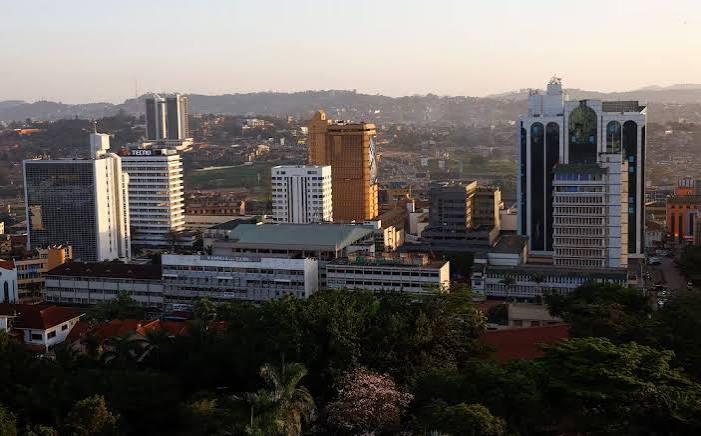
Uganda’s foreign exchange reserves rose by 56 per cent year on year to $6.7 billion in the 12 months to June 2026, strengthening the country’s external financial position as its central bank plans to increase gold purchases to diversify its reserves portfolio.
The Bank of Uganda reported that reserves increased from $4.3 billion in the previous year, according to figures released on Monday. The increase comes as the country seeks to strengthen its capacity to meet external payment obligations and manage economic shocks.
The central bank said the higher reserves were equivalent to 3.7 months of future import cover, still below its target of four months. Foreign exchange reserves help countries pay for imports, service external obligations and provide a buffer against disruptions in international trade and financial markets.
The bank said it would continue its gold purchase programme during the 2026/27 financial year as part of efforts to diversify reserve assets. Gold can provide an alternative to holding reserves entirely in foreign currencies, although its market value fluctuates and it does not generate interest like some financial assets.
The reserve increase comes as Uganda’s shilling has weakened sharply in recent weeks, falling to successive record lows against the US dollar. The central bank said it did not intend to target a particular exchange rate, but would seek to smooth excessive volatility in the foreign exchange market.
A larger reserve buffer can help a country withstand external pressures, including higher import costs and changes in global financial conditions. However, the level of import cover remains an important measure of how long reserves could finance the country’s import requirements if foreign currency inflows were disrupted.
Uganda’s latest figures therefore represent a substantial increase in its reserve holdings, while the central bank continues to pursue its import-cover target and manage pressure on the shilling.











Leave a comment