


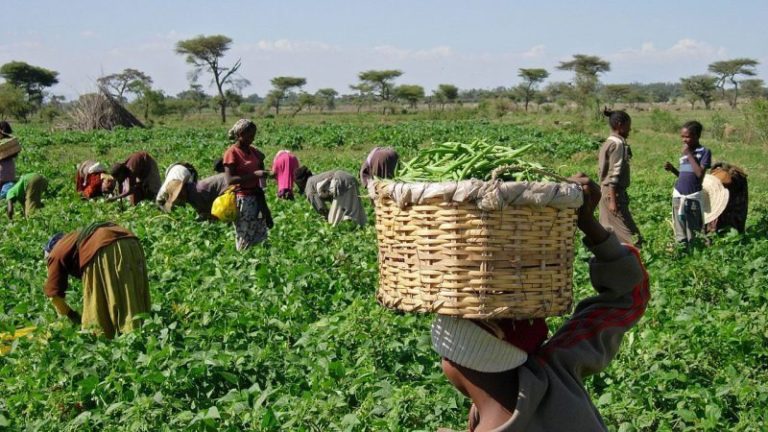
Bangladesh’s agricultural transformation is drawing attention as policymakers examine strategies to strengthen food security, improve rural livelihoods and increase farm productivity in developing economies.
Once heavily dependent on food imports, Bangladesh has significantly expanded domestic food production through investments in irrigation, improved seed varieties, agricultural research and farmer extension services. The country has also promoted access to credit, supported smallholder farmers and encouraged the adoption of modern farming technologies.
For Nigeria, where agriculture remains a major employer and contributor to the economy, Bangladesh’s experience offers insights into improving productivity and reducing food insecurity. Experts point to the need for greater investment in irrigation, climate-resilient farming, rural infrastructure and value-chain development to reduce post-harvest losses and boost farmers’ incomes.
Strengthening agricultural research, expanding access to financing and improving market access for smallholder farmers could also help increase domestic food production and reduce reliance on food imports.
Analysts note that while differences in geography, climate and policy environments mean Bangladesh’s approach cannot be replicated exactly, adapting successful strategies to Nigeria’s local context could support efforts to build a more resilient and sustainable agricultural sector.











Leave a comment