



Nigeria’s fashion industry has evolved from cultural expression into a dynamic economic force, driving employment, entrepreneurship, and global trade. Once rooted in informal tailoring and textile trading, the sector now stands as a structured, technology-driven industry contributing significantly to national growth.
Historically, fashion in Nigeria sustained households through small-scale tailoring, fabric sales, and ceremonial attire production. While profitable, it remained localized and informal. Today, globalization, digital tools, and investment have reshaped the sector into a full-fledged creative economy.
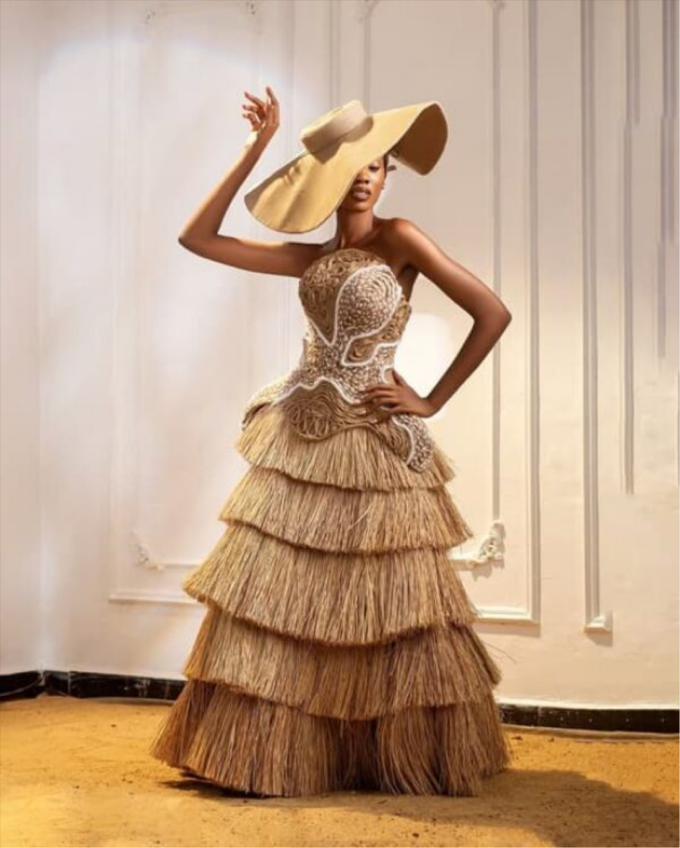
At the heart of this transformation is Nigeria’s textile industry. From handwoven fabrics to modern prints, local production sustains livelihoods, reduces reliance on imports, and preserves cultural craftsmanship. Markets in Lagos, Kano, and Aba continue to serve as hubs connecting artisans, suppliers, and designers. Increasingly, Nigerian textiles are entering international supply chains, attracting collaborations with global brands and embedding cultural identity into global fashion.
Technology has accelerated this growth. Social media, e-commerce platforms, and digital design
tools have expanded market reach, reduced costs, and boosted efficiency. Innovations such as virtual fashion shows and online try-on experiences have positioned Nigerian designers on the global stage, while attracting investment and raising the industry’s profile.
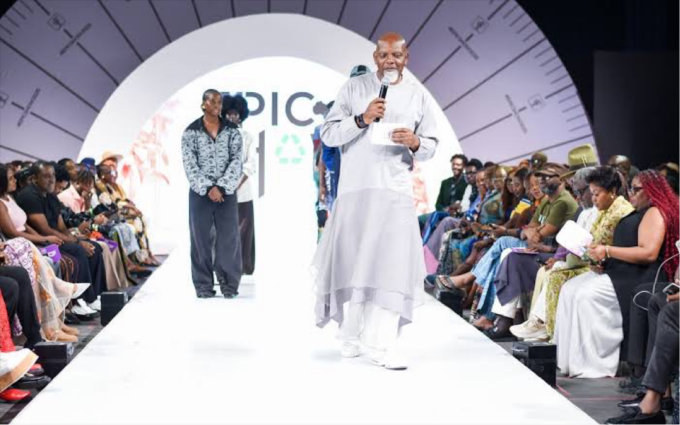
The fashion ecosystem extends beyond designers and manufacturers. Artisans, marketers, photographers, stylists, models, and creative directors all contribute to the sector’s expansion. Fashion events runway shows, exhibitions, and pop-up markets generate spending across hospitality, tourism, and entertainment, while promoting Nigeria as a creative destination.
By blending cultural heritage with modern business practices, fashion has become a driver of entrepreneurship and employment. As the Executive Director of Africa Fashion Week notes, “The creative sector, including fashion, is a major contributor to Nigeria’s GDP. Supporting it strengthens entrepreneurship, innovation, and economic growth.”
Looking ahead, deeper integration of production, technology, and global markets will define the industry’s future. Sustainable materials, digital distribution, and expanded exports are expected to strengthen competitiveness. As UNESCO affirms, “Fashion is more than creative expression it is a lever for economic and social growth, providing employment, trade opportunities, and cultural visibility for Africa.”
Nigeria’s fashion industry is no longer just about style; it is a cornerstone of economic resilience and cultural influence.











Leave a comment