


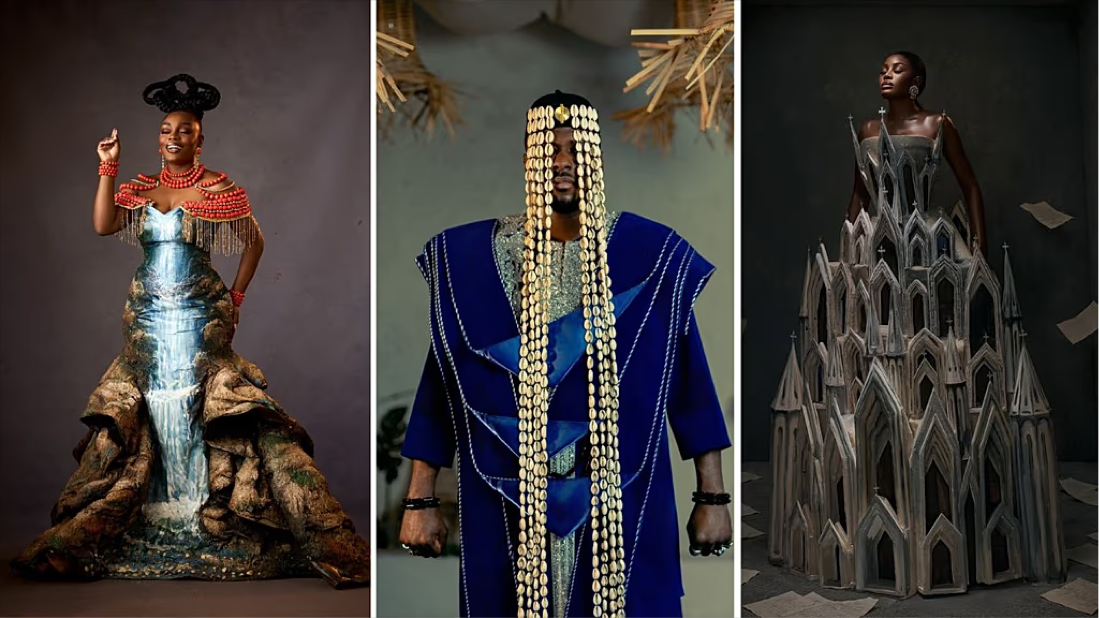
African fashion is increasingly positioning itself at the forefront of the global sustainability movement, with designers across the continent integrating eco-friendly practices, cultural heritage, and innovative craftsmanship into their collections.
From Lagos to Johannesburg, Accra to Nairobi, African creatives are reimagining textiles, embracing recycled materials, and promoting ethical production methods that reflect both environmental responsibility and cultural identity. This shift is not only redefining the aesthetics of African fashion but also strengthening its role as a driver of industry growth and global influence.
In Nigeria, emerging brands are experimenting with locally sourced fabrics and natural dyes, while South African designers are pioneering circular fashion initiatives that reduce waste and extend the lifecycle of garments. Ghanaian and Kenyan labels are also gaining recognition for their emphasis on community-based production, empowering artisans and preserving traditional techniques.
Industry analysts note that sustainability is no longer a niche concept but a competitive advantage. African designers who integrate eco-conscious practices are attracting international buyers, expanding export opportunities, and positioning themselves as leaders in the global fashion economy.
Beyond commerce, sustainable fashion carries cultural significance. By blending heritage with innovation, African designers are telling stories of resilience, creativity, and responsibility showcasing how fashion can serve as both culture and commerce.
As global consumers increasingly demand transparency and ethical practices, Africa’s fashion industry is demonstrating that sustainability is not just a trend but a long-term strategy for growth, identity, and global relevance.













Leave a comment