


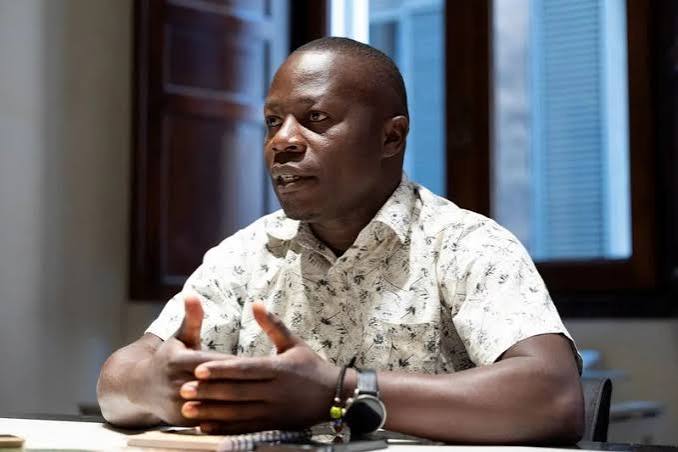
Ugandan farmer and food activist Edward Mukiibi is leading a new chapter for the global Slow Food movement, transforming it from an organization rooted in Italian food traditions into one that places Africa and other developing regions at the center of the conversation on sustainable agriculture, biodiversity, and food security. As the first African and youngest person ever elected president of Slow Food International, Mukiibi is championing a vision that recognizes small-scale farmers as essential to feeding the world while protecting the planet.
Growing up in rural Uganda, Mukiibi witnessed firsthand the challenges faced by farming communities, including poor market access, declining soil fertility, climate change, and the loss of traditional crop varieties. These experiences inspired him to advocate for agroecology an approach to farming that promotes biodiversity, healthy ecosystems, and reduced dependence on synthetic chemicals. He believes strengthening local food systems is one of the most effective ways to improve nutrition, protect the environment, and create economic opportunities for rural communities.
Founded in Italy in 1986, Slow Food initially emerged as a movement opposing the spread of fast food and the decline of traditional cuisine. Today, under Mukiibi’s leadership, the organization has expanded its priorities to include climate resilience, Indigenous knowledge, seed preservation, and support for farmers across Africa, Asia, and Latin America. He argues that communities that have long protected native crops and sustainable farming practices should play a leading role in shaping the future of global food systems rather than simply adopting industrial agricultural models.
Mukiibi is also focused on inspiring young people to see agriculture as a viable and rewarding career. He says many African countries possess enormous agricultural potential, but unlocking it will require greater investment in education, innovation, local food processing, and policies that support smallholder farmers. By encouraging the cultivation of Indigenous crops that are naturally adapted to local climates, he believes African nations can strengthen food security while reducing their vulnerability to climate shocks.
Through his leadership, Mukiibi hopes to redefine how the world views food not simply as a commodity, but as a foundation for cultural identity, environmental stewardship, and sustainable development. He says building resilient food systems will depend on empowering local communities, protecting biodiversity, and ensuring that farmers are fairly rewarded for producing healthy, sustainable food for future generations.











Leave a comment