


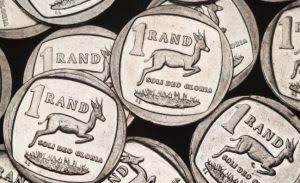
The South African rand came under pressure on Thursday as investors assessed the potential global economic impact of the latest U.S. military strikes on Iran, prompting a shift toward safer assets and weighing on emerging market currencies.
The rand weakened against the U.S. dollar during early trading as concerns over escalating tensions in the Middle East increased demand for traditional safe-haven assets, including the dollar and gold. Analysts said heightened geopolitical uncertainty has made investors more cautious, leading to reduced appetite for risk-sensitive currencies such as the rand.
Market participants are also closely monitoring the potential impact of the conflict on global oil prices. Higher crude prices could add to inflationary pressures worldwide, complicating monetary policy decisions for central banks and increasing costs for oil-importing countries such as South Africa.
Beyond geopolitical developments, investors are awaiting key U.S. economic data that could provide further clues on the direction of interest rates. Any indication that the U.S. Federal Reserve will maintain higher borrowing costs for longer is expected to support the dollar and place additional pressure on emerging market currencies.
Economists noted that while the rand remains vulnerable to external shocks, its performance will also depend on domestic factors, including South Africa’s economic outlook, inflation trends and investor confidence. Traders are expected to remain cautious until there is greater clarity on both the Middle East situation and the trajectory of U.S. monetary policy.












Leave a comment