


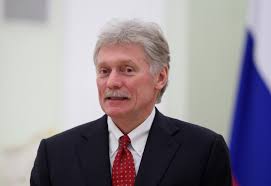
The Kremlin has dismissed warnings by Volodymyr Zelenskiy that Russia could use Belarus as a staging ground to threaten NATO countries, calling the claims unfounded and alarmist.
Kremlin spokesman Dmitry Peskov said Moscow had no intention of attacking NATO members from Belarusian territory, rejecting Zelenskiy’s suggestion that Russian troop movements in Belarus posed a direct risk to the alliance.
Zelenskiy had earlier warned that Russia was building up forces in Belarus near the borders of NATO member states, raising concerns about potential escalation beyond Ukraine. He urged Western allies to take the threat seriously and strengthen regional defences.
Russia, however, maintains that its military cooperation with Belarus is defensive in nature and part of longstanding bilateral agreements. Officials in Moscow have repeatedly said that troop deployments and joint exercises are aimed at ensuring regional security rather than preparing offensive operations.
NATO has said it is closely monitoring developments in Belarus, particularly given its strategic location bordering several alliance members. While NATO has not confirmed any immediate threat, it has acknowledged increased military activity in the region.
Belarus has played a key role in Russia’s military strategy since the start of the war in Ukraine, including serving as a launch point for operations and hosting Russian forces and equipment. Its proximity to NATO’s eastern flank has made it a focal point of concern for Western governments.
Analysts say the exchange highlights the ongoing war of narratives between Kyiv and Moscow, with both sides seeking to shape international perception of the conflict. While Ukraine is pushing to keep global attention on potential escalation risks, Russia is attempting to downplay concerns and avoid further confrontation with NATO.
The situation underscores persistent tensions in Eastern Europe, where military movements and political messaging continue to fuel uncertainty about the broader trajectory of the conflict.










Leave a comment