


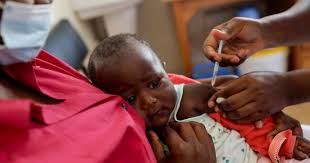
New malaria vaccines are helping Ghana move closer to its long sought goal of ending child deaths from the disease, highlighting the promise of immunization in reducing one of Africa’s deadliest public health threats, according to the international vaccine alliance Gavi and Ghana’s health service.
Health officials say the rollout of the vaccines has already contributed to a significant decline in severe malaria cases and hospital admissions among young children, the group most vulnerable to the disease. Malaria kills nearly half a million children under the age of five every year in Africa, making it one of the continent’s leading causes of child mortality.
Ghana was among the first countries to pilot malaria vaccines, integrating them into routine childhood immunization programs alongside bed nets, improved diagnostics and wider access to treatment. Public health experts say the combination approach is crucial, as vaccines alone cannot eliminate malaria but can dramatically reduce deaths and serious illness when used with existing tools.
Gavi and Ghanaian health authorities describe the results as encouraging, noting that vaccine coverage has expanded steadily in high burden regions. Communities that once saw frequent child deaths during peak transmission seasons are reporting fewer severe cases, offering renewed optimism that malaria related child mortality could eventually be brought close to zero.
However, this progress is under threat. Aid cutbacks by the administration of former U.S. President Donald Trump, along with reductions by other wealthy donor governments, risk slowing vaccine procurement and distribution across Africa. Gavi has warned that funding shortfalls could mean millions of children miss out on life saving shots, potentially reversing hard won gains.
Public health advocates caution that inconsistent financing could undermine trust in immunization programs and leave the most vulnerable communities exposed. They argue that sustained international support is essential to ensure that countries like Ghana can maintain vaccine coverage, strengthen health systems and continue the long fight against malaria.
As Ghana edges closer to its goal, the country’s experience is being closely watched across the continent as a test case for whether malaria vaccines, backed by stable global funding, can finally turn the tide against a disease that has claimed generations of young lives.










Leave a comment