


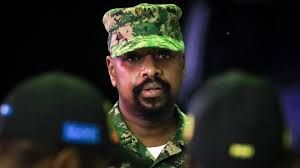
Uganda’s political crisis has intensified following revelations by the country’s military chief that thousands of opposition supporters have been detained and dozens killed in the aftermath of a disputed presidential election. The developments have heightened domestic and international concern over human rights, democratic governance, and the growing role of the military in Uganda’s political life.
On Friday, the army chief said authorities had detained around 2,000 opposition supporters, confirmed the killing of at least 30 people, and were continuing to hunt for others linked to post election unrest. The statement followed the announcement that President Yoweri Museveni, 81, had won a seventh term in office, extending his rule of the East African nation to nearly four decades.
Museveni was declared the landslide winner of the January 15 presidential election, securing victory over his main challenger, Bobi Wine, the leader of the opposition National Unity Platform party. Official results showed Museveni winning by a wide margin, a claim strongly rejected by the opposition, which alleges widespread vote rigging, intimidation, and fraud. The vote took place during a nationwide internet blackout, a move that critics say severely restricted communication, transparency, and independent verification of the electoral process.
The military chief’s remarks have underscored the scale of the security response unleashed after the election. Opposition figures and civil society groups say security forces carried out sweeping arrests in urban centers and opposition strongholds, targeting supporters, activists, and local organizers linked to the National Unity Platform. Families of detainees report that many people were taken without warrants and held in undisclosed locations.
The confirmation that at least 30 people were killed has further inflamed tensions. Human rights organisations say the true death toll may be higher, citing reports of lethal force used to disperse protests and suppress dissent. They warn that the heavy handed crackdown risks entrenching a climate of fear and undermining any remaining trust in Uganda’s electoral and judicial institutions.
Bobi Wine and his party have repeatedly accused the government of using the military to silence political opposition. Wine, a former pop star turned politician, has emerged as the most significant challenge to Museveni’s long rule, particularly among young Ugandans frustrated by unemployment, corruption, and limited political freedoms. Since the election, Wine has said many of his supporters have gone into hiding, fearing arrest or worse.
President Museveni and senior government officials have defended the security operations, arguing that they are necessary to maintain law and order. They accuse opposition groups of inciting violence and attempting to destabilise the country. Authorities have framed the crackdown as a counterterrorism and public safety effort, a narrative strongly disputed by opposition leaders and rights advocates.
International reaction has been swift. Diplomatic missions, regional observers, and human rights bodies have called for restraint, transparency, and the release of political detainees. They have also urged the Ugandan government to investigate allegations of excessive force and ensure accountability for abuses committed during and after the election period.
As Uganda enters another term under Museveni’s leadership, the post election violence and mass arrests highlight the deepening divide between the state and a growing opposition movement. With thousands detained, dozens dead, and political tensions unresolved, the country faces a critical moment that will shape its democratic trajectory, civil liberties, and stability for years to come.






Leave a comment