


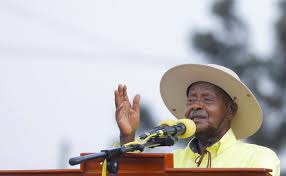
When Yoweri Museveni came to power in Uganda in 1986, he declared that “the problem of Africa in general and Uganda in particular is not the people but leaders who want to overstay in power.” Now, nearly 40 years later, the 81-year-old president is seeking a seventh term in office, in a country where the vast majority of citizens have never experienced leadership under anyone else.
Museveni initially rose to power on a wave of optimism, having led successful insurgencies against autocratic regimes. His early years in office were marked by hope for political stability, economic recovery, and social reform. However, that goodwill has been eroded over time amid widespread allegations of corruption and authoritarianism.
“Corruption has been central to his rule from the beginning,” said Kristof Titeca, a professor at the University of Antwerp. While Museveni has acknowledged that some government officials engaged in corrupt practices, he insists that those caught were prosecuted, maintaining that the system works when malpractices are identified.
Despite domestic criticisms, Museveni has shown remarkable political savvy on the international stage. He has cultivated strategic alliances with Western powers by aligning with their security priorities, including deploying Ugandan peacekeepers to regional hotspots such as Somalia and South Sudan. Uganda has also hosted large numbers of refugees fleeing conflicts in neighbouring countries, further enhancing its diplomatic profile.
As the country goes to the polls, Museveni’s enduring presence raises questions about the balance between continuity, democratic governance, and the aspirations of a generation that has grown up knowing no other leader. His decades-long rule continues to shape both Uganda’s domestic politics and its position within the wider East African region.





Leave a comment