


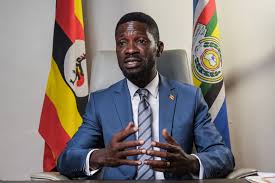
Ugandan opposition leader and former pop star Bobi Wine, whose real name is Robert Kyagulanyi Ssentamu, says he has repeatedly faced beatings, tasering, tear gas and pepper spray attacks while campaigning against long‑serving President Yoweri Museveni in the run‑up to the January 15, 2026 election. Wine, now 43, has built his political identity on a determined challenge to Museveni’s decades‑long rule, but his campaign has unfolded amid widespread reports of physical intimidation and state repression.
Wine’s rise from musician to presidential contender has made him a symbol of youthful resistance in Uganda, where more than 70 per cent of the population is under 30 and frustrated by unemployment, corruption and political stagnation. His music and political rhetoric have struck a chord with many young Ugandans, but they have also made him a frequent target of security forces.
Throughout the campaign, Wine has described multiple instances in which security officers used force against him and his supporters, including tear gas, pepper spray and physical assaults at rallies and public gatherings. Human rights groups such as Amnesty International have characterised the broader pattern of violence as a “brutal campaign of repression,” and President Museveni himself has publicly encouraged security forces to use tear gas to break up what he labels a “criminal opposition.”
Journalistic and rights‑monitoring reports show that violence has been concentrated not only at Wine’s events but also in broader opposition spaces. In some cases, supporters have been beaten with sticks by men in uniform at campaign events, prompting the Uganda Human Rights Commission to call for investigations into violations of policing standards.
In addition to crowd control measures, Wine has personally suffered injuries attributed to security operations. In September 2025, police actions involving close‑range tear gas canisters left him with metal fragments lodged in his leg, an incident requiring medical treatment that limited his mobility.
The climate of repression extends beyond violent encounters. Rights groups and international observers have warned of a wider crackdown in the lead‑up to the vote, characterised by arbitrary detentions, abductions of opposition supporters, restrictions on civic and media organisations, and constraints on peaceful political expression.
This pattern is consistent with previous elections, when Wine’s own campaigns have been met with arrests, tear gas, and cordons by police and military forces. Opposition figures and analysts argue that the security operations are designed to undermine his ability to mobilise supporters, restrict public gatherings and intimidate voters. Authorities, however, deny wrongdoing and maintain that enforcement actions are aimed at preserving public order.
Despite the violence, Wine remains a central figure in Uganda’s political landscape and a potent symbol of resistance for many citizens dissatisfied with the status quo. His campaign continues to articulate calls for democratic reform, accountability and an end to longstanding governance practices that critics describe as authoritarian and exclusionary.
As Uganda heads into the 2026 election, the battles on the campaign trail reflect deeper tensions within the country’s political system and the challenges faced by opposition movements confronting entrenched incumbency under President Museveni’s four‑decade rule.






Leave a comment