


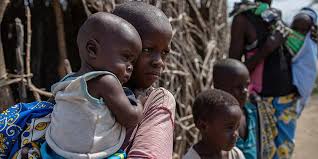
Hellen Etiman, a pastoralist in Kenya’s drought-stricken Turkana County, watched in despair as her young son, Peter Lokoyen, relapsed into severe malnutrition despite beginning a course of life-saving specialised food. Four-year-old Peter had initially shown signs of recovery, but in July, the health facility treating him ran out of critical supplies, leaving the family with little choice but to rely on foraged wild fruits from the barren plains.
By late October, Peter weighed just 11.4 kilograms, roughly a third below the median weight for boys his age as defined by the World Health Organization, and measured slightly over 87 centimeters. His 20-month-old sister, Melvine, was nearly as tall as he was, highlighting the devastating impact of prolonged food shortages on children in the region.
Turkana County, located in northwest Kenya, has long been affected by drought, extreme poverty, and limited access to healthcare, making children particularly vulnerable to malnutrition. Humanitarian agencies have repeatedly warned that interruptions in aid, shortages of specialised nutritional supplements, and the ongoing climate crisis are contributing to rising child mortality and stunted growth.
Families like the Etimans are increasingly forced to survive on wild foods that offer minimal nutrition, leaving children at risk of long-term developmental setbacks. Health workers stress that consistent access to therapeutic feeding programs is critical to preventing further decline.
As communities struggle with both environmental and economic pressures, experts call for urgent government intervention and international support to ensure continuous food aid, healthcare access, and programs to strengthen local resilience against hunger. The situation in Turkana is a stark reminder that malnutrition remains one of the most pressing humanitarian challenges in Kenya, demanding immediate action to save the youngest and most vulnerable.










Leave a comment