


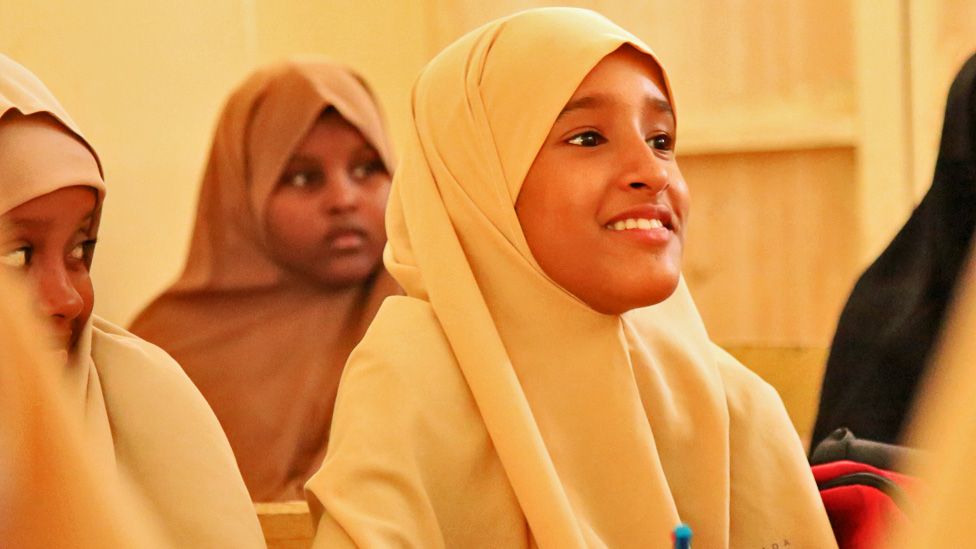
In a landmark move aimed at deepening regional cooperation and cultural integration, Somalia has announced plans to introduce Swahili, the lingua franca of East Africa, into its national education curriculum. The decision, declared by President Hassan Sheikh Mohamud during the East African Community (EAC) summit in Mogadishu, marks a significant shift in Somalia’s language and education policy.
Currently, English serves as the primary language of instruction across most secondary schools in Somalia, while Arabic is the only compulsory second language taught. However, under the new directive, Swahili will become an additional language taught in schools and universities across the country, further aligning Somalia with its East African neighbors.
President Mohamud emphasized that embracing Swahili was essential to Somalia’s full integration into the East African Community, which the country officially joined last year. “The country’s universities, especially the Somali National University, should focus more on developing the Swahili language, which is the language of East Africa,” he stated. “Adopting Swahili is important for our integration into the region.”
Education Minister Farah Sheikh Abdulkadir echoed this sentiment, noting that the government was determined to see Swahili become a language of communication, trade, and learning nationwide. “We want to see Swahili become a language of communication, trade, and learning, even replacing English during our next conference,” he said, highlighting the government’s long-term ambition to mainstream the language.
Swahili, spoken by more than 200 million people globally, is one of the world’s 10 most widely spoken languages and serves as an official or national language in several East African nations, including Kenya, Tanzania, Uganda, Rwanda, and the Democratic Republic of Congo. Its growing adoption by Somalia symbolizes a strategic cultural and economic alignment with the wider region.
The introduction of Swahili also reflects Somalia’s evolving social and linguistic landscape. Swahili dialects have long been spoken along the country’s southern coast, and the language’s influence has grown in recent decades, partly as a result of the civil war that erupted in 1991. The prolonged conflict displaced millions of Somalis, with hundreds of thousands seeking refuge in Kenya, where they were exposed to Swahili through the local education system. Many of these individuals have since returned home, bringing with them fluency in the language.
Additionally, the presence of African Union peacekeeping troops, many from East African countries where Swahili is the common language, has further contributed to its spread across Somalia since their deployment began in 2007. The interaction between local communities and soldiers has helped normalize Swahili as a lingua franca in both social and trade settings.
Until 2016, Somalia’s education system was divided linguistically — with Arabic used as the language of instruction in junior schools and English dominating at secondary and tertiary levels. In recent years, however, reforms have seen the Somali language introduced as the primary medium for primary education, while English remains central in higher education and Arabic continues to be taught in madrassas (Islamic schools).
By incorporating Swahili into its education system, Somalia is not only embracing a regional identity but also positioning itself for greater participation in East African trade, diplomacy, and development initiatives. The move signifies a deliberate step toward building stronger ties with neighboring nations and creating new opportunities for communication, education, and commerce across linguistic borders.
Analysts say this policy shift could help bridge Somalia’s historical isolation from the region, promoting cross-border collaboration and youth empowerment through language and education. As Swahili continues to gain prominence as a unifying African language, Somalia’s decision represents a forward-thinking investment in regional solidarity and cultural cohesion.






Leave a comment