


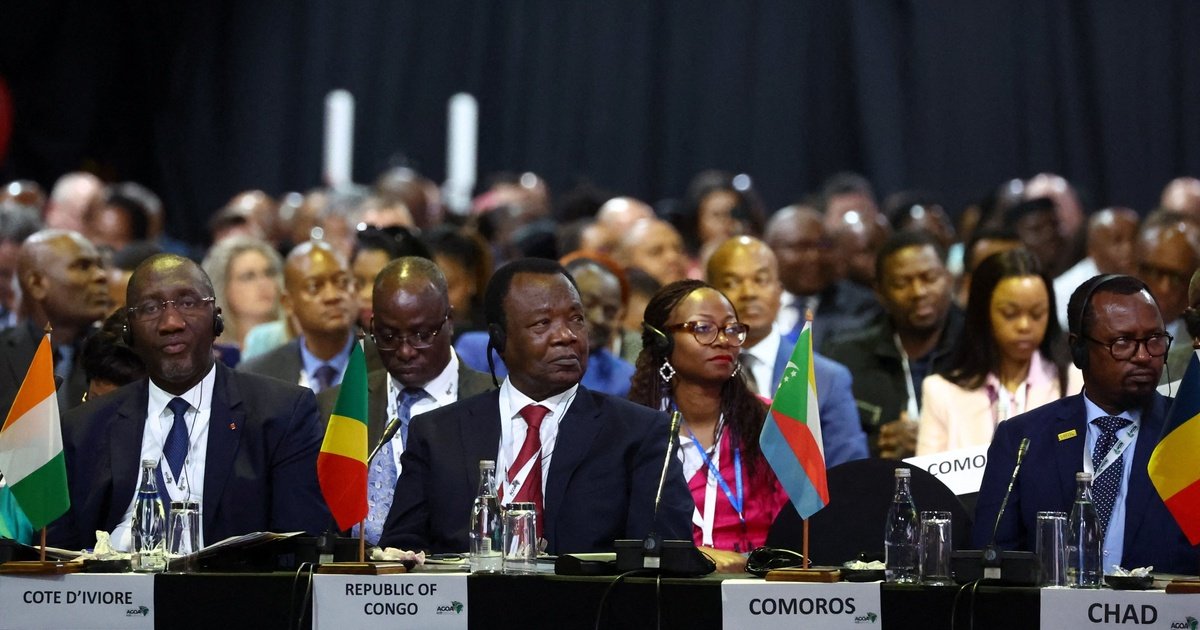
A cloud of uncertainty hangs over the African Growth and Opportunity Act (AGOA) as the trade agreement, which has defined Africa–U.S. economic relations for 25 years, nears its expiration at the end of September. With African unions warning that more than a million indirect jobs could be lost if the deal collapses, the stakes are high. Yet, amid the anxiety, trade experts argue that the possible end of AGOA could also be a turning point for Africa to diversify its trade partners, deepen regional integration, and extract more value from its resources.
AGOA, enacted in 2000 under President Bill Clinton, has long granted duty-free access to the U.S. market for thousands of African products ranging from textiles, apparel, motor vehicles, and agricultural produce to minerals and chemicals. For many countries, particularly those with large export-processing industries, the deal has been more than a trade agreement it has been a lifeline. In Kenya, for example, exports to the U.S. surged from about $110 million in 2000 to nearly $570 million by 2020, with textiles and apparel making up more than 90% of those exports. The agreement has directly created over 66,000 jobs in Kenya, largely benefiting women and young people, while also providing opportunities in horticulture through flowers, nuts, and coffee. In South Africa, car manufacturers and agricultural producers have relied on AGOA to sustain thousands of jobs and secure access to the world’s largest consumer market.
But the expiration threat under the Trump administration has stirred unease across the continent. President Donald Trump’s protectionist trade stance and tariff policies have thrown doubt on whether AGOA will continue, even as unions, manufacturers, and governments lobby Washington for at least a temporary reprieve. Lesotho’s trade minister hinted that the U.S. might extend the agreement by one year, and a White House official has confirmed the administration’s support for such a limited extension. Yet many fear this may simply delay an inevitable reckoning. For Lesotho, where youth unemployment hovers around 38% and the garment industry is heavily dependent on AGOA, the uncertainty has already sparked fears of mass layoffs and rising exploitation. Union leaders warn that if factories close, vulnerable workers—particularly women—could be pushed into survival economies such as sex work, exacerbating social risks.
Across the continent, trade unions and experts emphasize that AGOA has provided a “competitive edge” that countries cannot afford to lose. Matthew Parks, parliamentary coordinator for South Africa’s largest union federation, notes that while Congress appears to favor renewal, U.S. politics has shifted in a way that leaves final decisions largely in the president’s hands. This unpredictability has pushed exporters and policymakers to seek alternative markets. South African agribusinesses are working to expand access to Asia, while Kenya is pursuing a bilateral trade pact with Washington—potentially the first of its kind between the U.S. and a sub-Saharan nation. At the same time, African leaders are increasingly focused on the African Continental Free Trade Area (AfCFTA), launched in 2021 to create a single market of 1.4 billion people. However, the pact is still in its early stages, with experts warning that full implementation could take a decade.
The looming expiration of AGOA is also sharpening calls for Africa to rethink its position in the global trade ecosystem. Hod Anyigba, chief economist at the International Trade Union Confederation Africa, argues that this moment should push the continent to move beyond exporting raw materials and instead invest in processing and manufacturing industries. With demand for Africa’s critical minerals surging globally to power the clean energy transition, leaders see an opportunity to negotiate trade deals that retain more value within the continent. “This is the moment to ensure that value is created on the continent,” Anyigba said. “We must not remain mere exporters of raw materials but become global players in manufacturing and industrialization.”
For now, the clock is ticking. Millions of livelihoods depend on whether Washington chooses to renew AGOA, even temporarily. But the broader question is whether Africa will seize the uncertainty as a chance to chart a more independent trade future. The next chapter could determine not only the fate of hundreds of thousands of jobs but also the trajectory of Africa’s economic sovereignty in an era of shifting global power dynamics.











Leave a comment