


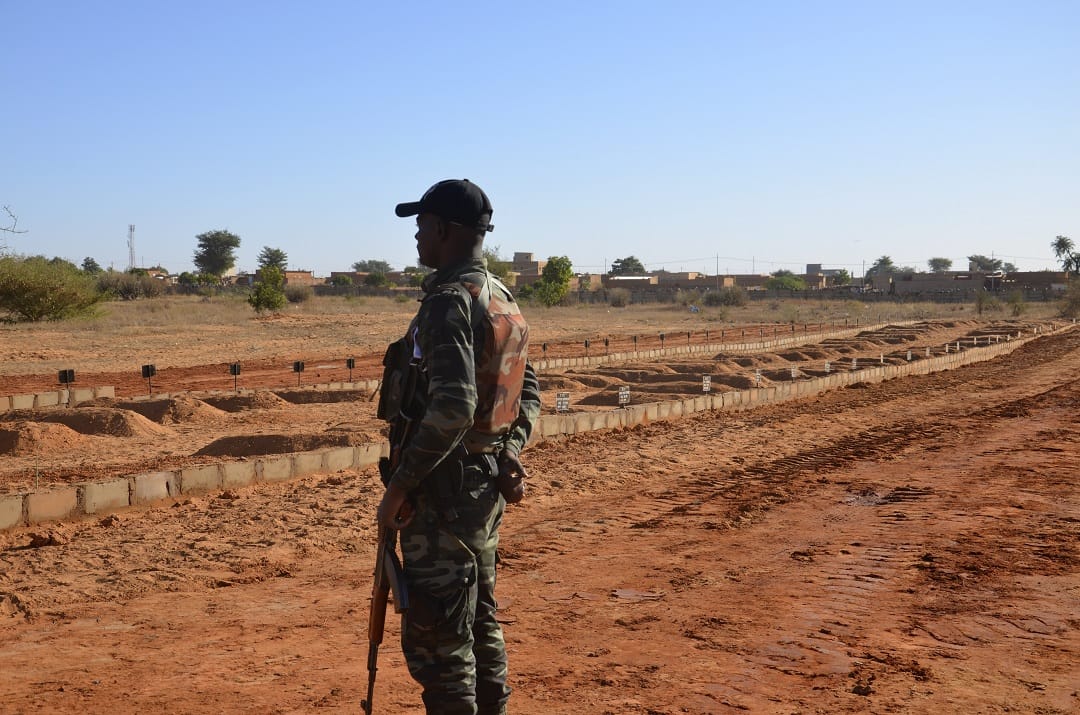
Niger is facing a deepening security crisis after Human Rights Watch (HRW) released a harrowing report revealing that nearly 130 civilians have been summarily executed by Islamist insurgents in the country since March. The rights group detailed a wave of brutal assaults, including a devastating massacre at a mosque in the western Tillabéri region in June, where more than 70 worshippers were shot dead during evening prayers. Survivors described scenes of horror, with one woman recounting that “there were bodies everywhere, one on top of the other,” after she lost three of her sons in the attack.
The surge in violence comes as a major blow to the credibility of Niger’s ruling military junta, which seized power in 2023 after deposing President Mohamed Bazoum. At the time, the junta pledged to bring security to communities suffering under Islamist insurgencies, but HRW’s report underscores how deadly attacks have instead escalated. According to conflict monitoring group Acled, more than 1,600 civilians have been killed by Islamic State (IS)-linked fighters in Niger since the coup, highlighting the scale of the humanitarian and security crisis.
The Tillabéri region, which borders Burkina Faso and Mali, has long been at the heart of the Sahel insurgency. Armed groups have imposed their interpretation of Islam on civilians, targeting schools, religious sites, and restricting basic freedoms. Witnesses interviewed by HRW spoke of unimaginable violence, including a May assault on the Dani Fari area where fighters killed five men and two boys, burned homes, and left bodies riddled with bullets. “There wasn’t a single body with fewer than three bullet holes,” one herder recalled, noting that two children were found lying dead on their backs.
While no armed group has officially claimed responsibility for the recent spate of attacks, survivors identified the assailants as Islamic State fighters, recognizable by their distinctive red-banded turbans. HRW researchers emphasized that the targeted killings amount to horrific abuses against civilians. “Islamist armed groups are targeting the civilian population in western Niger and committing horrific abuses,” said senior researcher Ilaria Allegrozzi, urging Niger’s authorities to intensify protection efforts in the region.
The report also raised concerns about the military’s failure to protect vulnerable communities. Villagers accused the army of ignoring repeated warnings of impending attacks, leaving residents defenseless against heavily armed militants. HRW’s findings suggest a widening gap between the junta’s promises and its capacity to address the worsening insurgency.
The escalating violence puts Niger’s military leaders under growing pressure to demonstrate effective strategies to tackle jihadist groups. Alongside Mali and Burkina Faso, Niger has formed a regional alliance to combat the insurgency, distancing itself from traditional Western security partners and turning instead to Russia and Turkey for support. Yet despite this shift in alliances, Islamist attacks continue to claim civilian lives at alarming rates, raising questions about the effectiveness of the junta’s security policies.
As communities in Tillabéri and beyond mourn their dead and live under constant fear of new attacks, the HRW report serves as a grim reminder of the devastating toll of Islamist insurgency in Niger. Unless urgent action is taken to strengthen civilian protection and dismantle militant networks, the violence risks spiraling further, undermining stability not only in Niger but across the wider Sahel region.










Leave a comment