


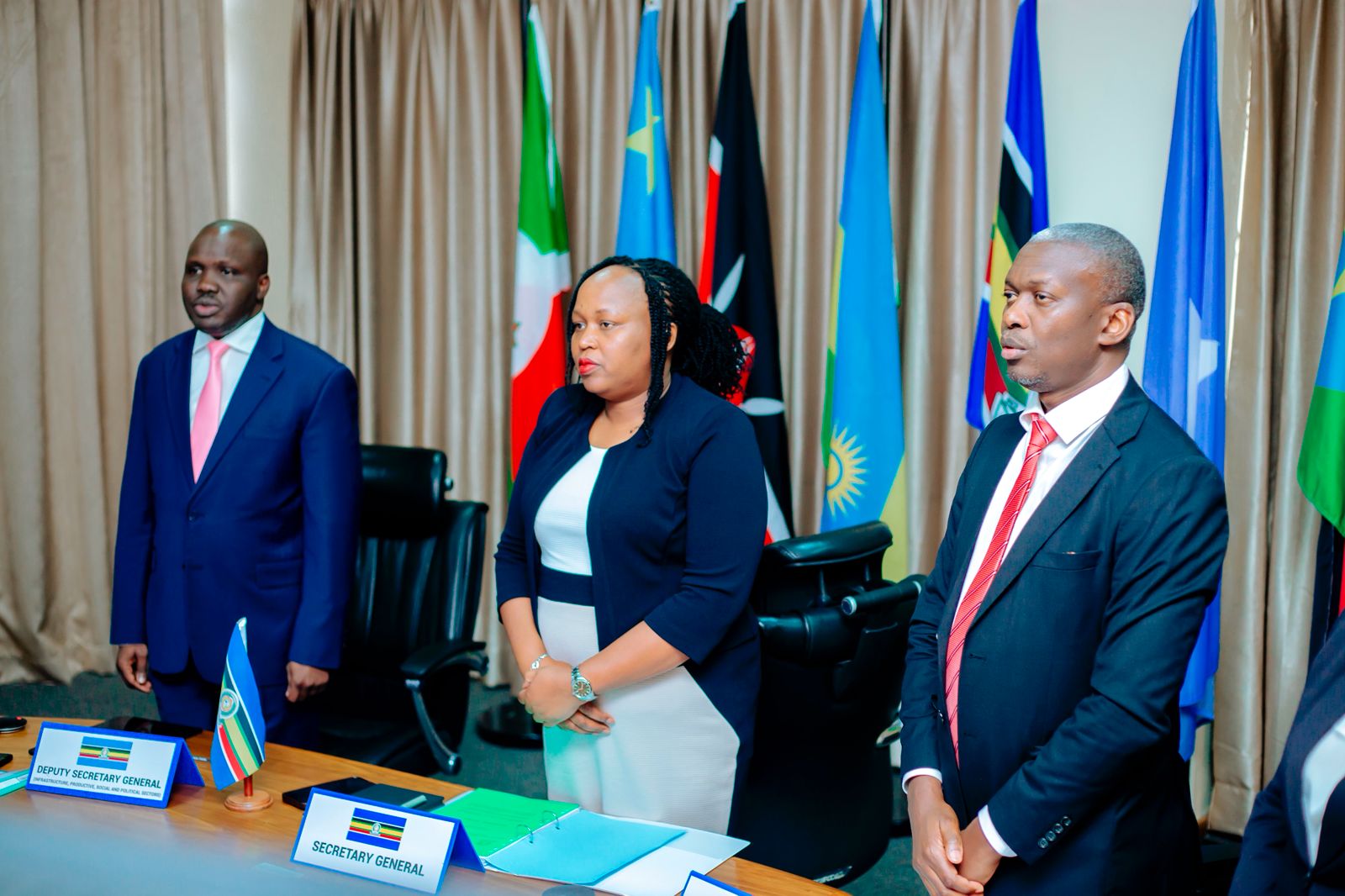
Kenya and Uganda have taken a major step towards strengthening regional integration and boosting cross-border trade by committing to eliminate tariffs and non-tariff barriers (NTBs) that have long hindered the free flow of goods and services between the two neighboring nations. The move aligns with their obligations under the East African Community (EAC) Treaty and Protocols, which seek to foster a seamless common market across the region.
The landmark decision follows a directive from Presidents Yoweri Museveni of Uganda and William Ruto of Kenya, who held a high-level bilateral meeting in Nairobi in July 2025. Both Heads of State tasked their trade ministers to urgently resolve long-standing trade barriers, including discriminatory excise duties, multiple levies, and congestion along major trade corridors such as Malaba, Busia, Suam, and Lwakhakha.
Subsequent meetings between Uganda’s Trade, Industry and Cooperatives Minister Wilson Mbadi and Kenya’s Investments, Trade and Industry Cabinet Secretary Lee Kinyanjui resulted in a joint communiqué to eliminate all discriminatory charges of equivalent effect. Technical officers also undertook field assessments along key border points to identify bottlenecks and recommend long-term solutions.
Among the key resolutions, border agencies were instructed to clear congestion at Malaba and Busia within 24 hours, with strict limits set on truck backlogs no more than four kilometers at Malaba and 500 meters at Busia. Both governments also agreed to operate border management agencies on a 24/7 basis, reduce multiple checkpoints, and address weighbridge inefficiencies that delay cargo movement.
Uganda committed to resolving issues around weighbridge operations, while Kenya pledged to accelerate completion of the Suam One Stop Border Post and upgrade infrastructure at Lwakhakha, including the installation of a modern cargo scanner. The two countries also agreed to mobilize resources for road upgrades and new bridge construction, ensuring smoother and faster trade logistics along the Northern Corridor a 1,700-kilometer trade route that links the Port of Mombasa to Uganda, Rwanda, Burundi, and eastern Democratic Republic of Congo.
A new Joint Technical Committee will monitor and swiftly resolve trade barriers, while Joint Border Committees will handle daily operational challenges and escalate unresolved matters. Both countries emphasized the importance of continuous dialogue with private sector stakeholders to ensure that policies and trade facilitation measures remain aligned with business needs.
Uganda remains Kenya’s biggest trading partner and the largest user of the Port of Mombasa among landlocked nations in East Africa. In 2024, Uganda accounted for 65.6% of Kenya’s total transit volumes, up from 62.3% in 2023. However, Kenya’s exports to Uganda slightly declined to Sh125.9 billion in 2024 compared to Sh126.3 billion the previous year, largely due to reduced shipments of cement clinkers and palm oil. Imports from Uganda were valued at Sh37.7 billion, down from Sh41.2 billion in 2023.
This renewed commitment by Kenya and Uganda is expected to significantly boost bilateral trade, enhance regional integration under the EAC framework, and position the Northern Corridor as a more efficient trade artery for East Africa.





Leave a comment