

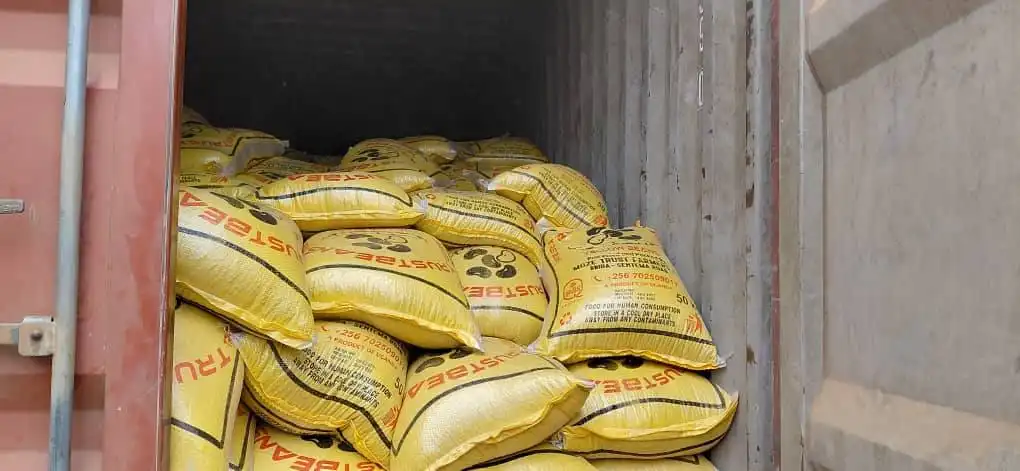
The South Sudan National Bureau of Standards (SSNBS) has intensified its crackdown on substandard and unsafe imports by ordering the return of three trucks loaded with maize grains, maize flour, and beans found to be unfit for human consumption.
According to a statement issued by the Bureau on Sunday, the trucks were intercepted and inspected at the Nimule border point by the Bureau’s technical team. Laboratory tests revealed that two of the trucks carrying maize flour and maize grains contained dangerously high levels of aflatoxin, a toxin that poses serious health risks when consumed. Another truck carrying beans was also rejected after inspectors discovered a live insect infestation, rendering the consignment unsafe for trade or human use.
The regulator emphasized that this action is in line with its core responsibility of protecting public health and ensuring only high-quality, standards-compliant goods are permitted into South Sudan’s markets. The SSNBS confirmed that routine inspections and conformity assessments are carried out around the clock at all designated entry points to safeguard citizens and strengthen consumer confidence.
This latest rejection adds to a growing list of recent actions by the Bureau to curb the inflow of substandard goods. In June alone, SSNBS sent back five trucks, including three carrying aflatoxin-contaminated maize flour and two loaded with insect-infested sorghum. Similarly, in May, 11 fuel trucks that failed to meet East African Standards were re-exported after being flagged as substandard at the same border point.
The SSNBS has reaffirmed its unwavering commitment to protecting consumers, promoting fair trade practices, and maintaining strict oversight over imports. By enforcing these measures, the Bureau not only safeguards the health of South Sudanese citizens but also works to ensure that the nation’s markets remain free of dangerous, poor-quality products that could compromise both health and economic stability.








Leave a comment