


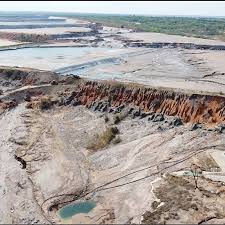
The Zambian government has dismissed a health alert issued by the United States embassy, which warned of “widespread contamination of water and soil” in the Copperbelt mining region following a February 2025 tailings spill at Sino-Metals Leach Zambia.
The US embassy announced the immediate withdrawal of its personnel from Kitwe and surrounding areas, citing new data that allegedly revealed the presence of hazardous and carcinogenic substances. It warned that contaminants from the mine waste caused by the collapse of a tailings dam into the Kafue River after heavy rainfall could be inhaled if they become airborne, posing serious health risks.
However, Zambian government spokesperson Cornelius Mweetwa countered the claims, insisting that recent laboratory tests confirmed pH levels in the affected area had returned to normal and that water quality met safety standards. “There is absolutely no need to press the ‘panic button’ to alarm the nation and the international community,” Mweetwa said, adding that the spill no longer posed significant threats to public health, agriculture, or the environment.
Sino-Metals, a subsidiary of the Chinese state-owned China Nonferrous Metal Mining Group, had pledged to restore the environment and compensate communities affected by the disaster. The February incident devastated aquatic life and disrupted irrigation for local farmers.
Zambia’s Green Economy Minister Mike Mposha said the government had been proactive since the spill, compensating affected residents and keeping the public informed. Minister of Water Development Collins Nzovu added that water from the Kafue River has been tested regularly and meets World Health Organization guidelines.
Reactions have been sharply divided. Opposition Green Party leader Peter Sinkamba accused the US embassy of geopolitical posturing and questioned why it waited months to issue the alert, while ignoring long-standing lead poisoning issues in central Zambia linked to Western mining companies.
Environmental activists, however, remain concerned. Maggie Mapalo Mwape, Executive Director of the Centre for Environmental Justice, described the pollution as a national disaster requiring urgent, decisive measures to prevent recurrence and safeguard citizens’ health.
The dispute comes amid heightened global scrutiny of mining practices in resource-rich Zambia, where the Copperbelt remains an economic lifeline but also a flashpoint for environmental and political tensions.











Leave a comment