


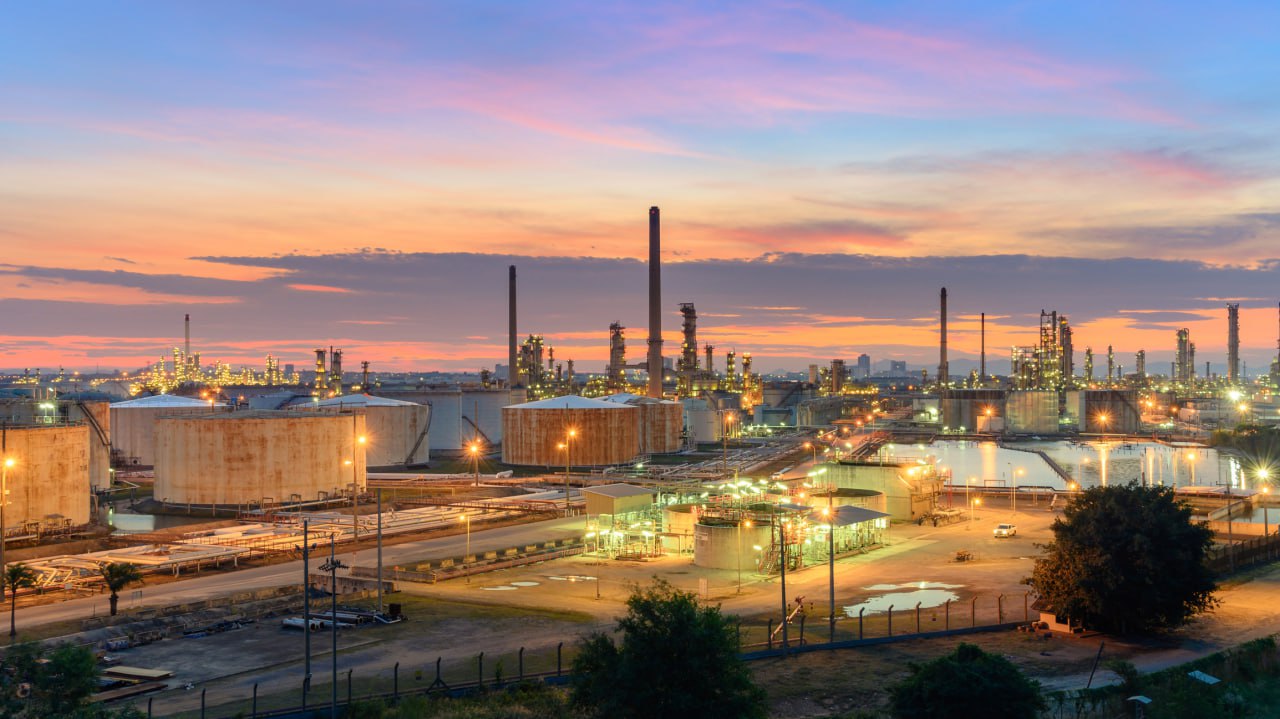
The Ugandan government has approved a new financing structure for its long-anticipated $4 billion oil refinery project, opting to fully fund the initiative through equity. This decision marks a significant shift from earlier plans to secure international funding using a 60:40 debt-to-equity model.
The revised strategy, developed in partnership with the UAE-based Alpha MBM Investments, signals Uganda’s commitment to advancing its energy ambitions despite ongoing challenges in the regional oil sector. The refinery, located in Kabale, western Uganda, is expected to process 60,000 barrels of crude oil per day once completed.
Initially, the government had aimed to blend debt and equity financing to fund the refinery’s development, leveraging international loans to reduce upfront capital demands. However, the decision to fully finance the project through equity reflects Uganda’s determination to maintain control over the refinery and its operations.
“This strategic shift ensures that Uganda retains a larger stake in one of its most significant energy projects, securing long-term value and benefits for the country,” a government representative commented.
The partnership with Alpha MBM Investments, which has pledged to support the refinery’s development, underscores the project’s potential to attract private sector investment. By collaborating with international partners, Uganda aims to leverage both capital and technical expertise to drive the project forward.
The Kabale refinery forms a critical part of Uganda’s broader energy strategy, which seeks to transform the country into a regional oil and gas hub. With proven oil reserves of over 6.5 billion barrels, Uganda’s nascent petroleum sector has the potential to significantly boost the economy and reduce reliance on imported refined products.
Once operational, the refinery will supply domestic and regional markets, meeting growing demand for petroleum products while reducing dependence on expensive imports. The facility will also create jobs, support local industries, and contribute to infrastructure development in western Uganda.
However, the project has faced numerous delays since its inception, including challenges in securing financing and selecting partners. The government’s move to fully fund the refinery through equity reflects a renewed commitment to overcoming these obstacles and advancing the project to completion.
Uganda’s decision comes against the backdrop of broader delays in the East African oil sector, including the East African Crude Oil Pipeline (EACOP). The 1,443-kilometer pipeline, which aims to transport crude oil from Uganda to the Tanzanian port of Tanga, has faced financing challenges and mounting environmental opposition.
These hurdles have underscored the complexity of developing large-scale energy projects in the region, where balancing economic growth with environmental sustainability remains a critical challenge.
By fully funding the refinery, Uganda aims to sidestep some of the financing issues that have plagued other projects while demonstrating its commitment to realizing the country’s oil and gas potential.
The move to equity financing could also have broader implications for Uganda’s economic and strategic positioning. Retaining a larger equity stake in the refinery ensures that a greater share of revenues and profits will remain within the country, contributing to national development goals.
Additionally, the refinery is poised to enhance Uganda’s energy security by reducing dependence on imported refined products. This aligns with the government’s vision of building a self-sufficient and resilient energy sector capable of supporting the country’s industrialization and growth.
The approval of the new financing model marks a significant step forward for the Kabale refinery, a project that has long been seen as pivotal to unlocking Uganda’s oil potential. While challenges remain, including managing costs and ensuring timely implementation, the government’s decision to fully fund the project underscores its determination to make the refinery a reality.
As Uganda moves ahead with this ambitious initiative, the refinery could serve as a catalyst for broader energy sector development, paving the way for future projects and positioning the country as a key player in Africa’s oil and gas landscape.











Leave a comment