


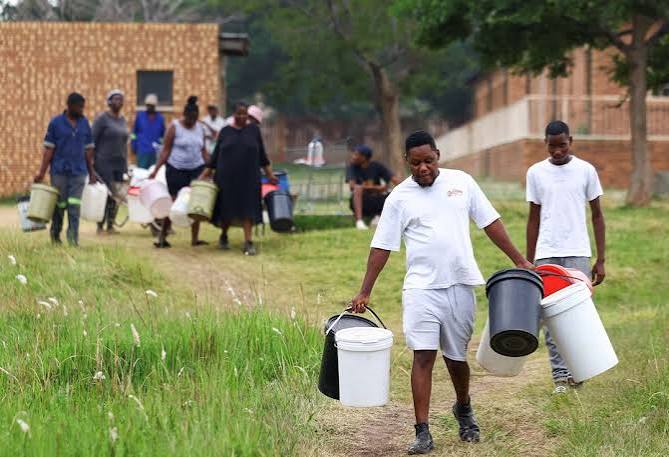
Access to reliable water and electricity, unemployment and rising concerns over crime are among the major issues shaping voter priorities as South Africans prepare to elect new municipal leaders on November 4.
The local government elections are expected to test the performance of political parties in the country’s major cities, where residents have expressed growing frustration over poor service delivery, ageing infrastructure and limited economic opportunities.
According to a Reuters report published on Monday, November 2, concerns over basic services remain particularly prominent in Johannesburg, Cape Town, Pretoria and Durban, with voters demanding practical solutions to problems affecting their daily lives.
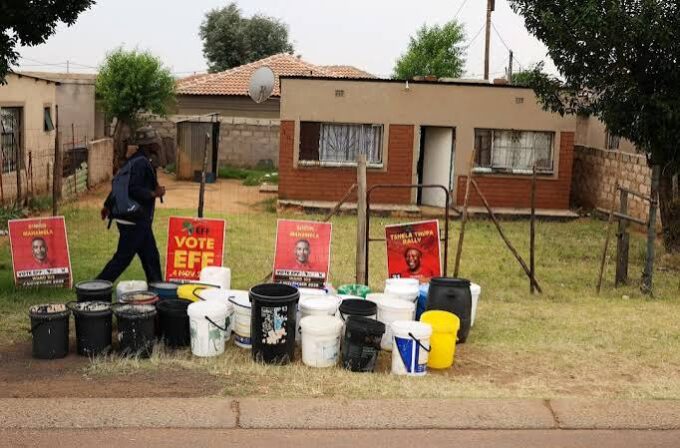
Unreliable water and electricity supplies have become major sources of dissatisfaction, particularly in municipalities struggling with ageing infrastructure, leaking pipes and inadequate maintenance.
In Johannesburg, about one-third of the city’s water supply is lost through ageing infrastructure, burst pipes, leaks and illegal connections, according to the annual report of the city’s water agency.
The situation is also concerning in Tshwane, which includes the administrative capital, Pretoria, where ageing water and electricity networks and maintenance backlogs continue to affect service delivery.
In eThekwini, which includes Durban, more than half of the municipal water supply is lost before reaching paying customers, largely because of ageing infrastructure, leaks and illegal connections.
Cape Town has invested in water, electricity and transport infrastructure to accommodate population growth, although long-term water security remains a concern.
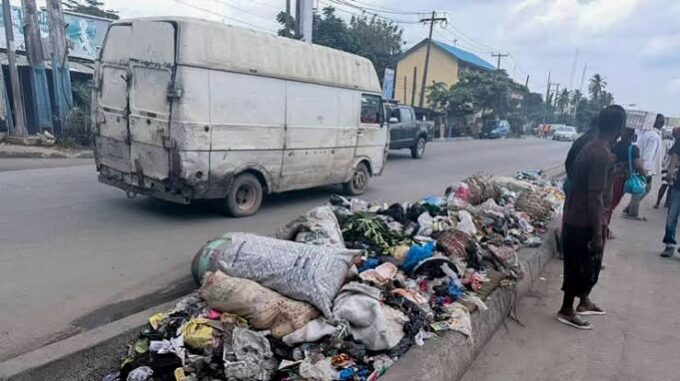
The persistent infrastructure challenges have placed municipal service delivery at the centre of political campaigns, with residents expecting incoming administrations to prioritise repairs, maintenance and improved access to essential services.
Employment is another major concern influencing voter decisions, although labour market conditions differ across the country’s major metropolitan areas.
Statistics South Africa data show that Johannesburg’s unemployment rate increased to 35.9% in the second quarter of 2026, compared with 33% during the same period a year earlier.
Tshwane also recorded an increase, with unemployment rising to 34.2% from 30.8% over the same period.
Cape Town and eThekwini recorded lower unemployment rates of 21.9% and 21.2%, respectively, among the major metropolitan areas.
In eThekwini, employment increased by approximately 90,000 over the past year, reaching 1.29 million, according to the report.
The figures highlight the varying economic conditions across the country’s urban centres and the pressure on municipal authorities to attract investment, support businesses and expand employment opportunities.
Although municipalities do not control national employment policy, their responsibilities for infrastructure, local economic development and the business environment can influence job creation.
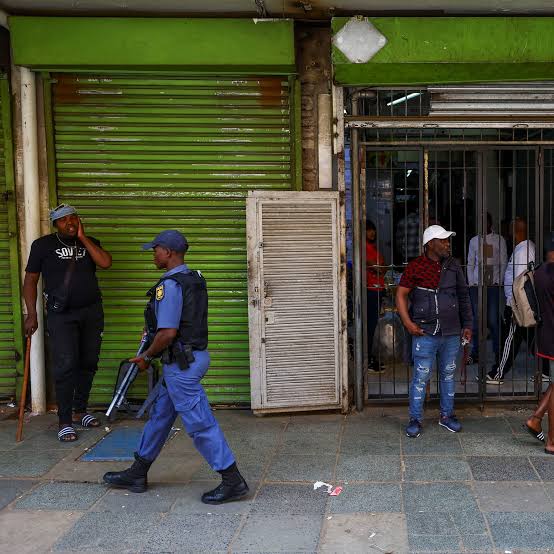
Crime and public safety also feature prominently in voter concerns, despite improvements in some categories of reported offences across the major cities.
Police statistics for the first quarter of 2026 showed declines in murders, carjackings and aggravated robberies in Tshwane compared with the corresponding period a year earlier.
Johannesburg also recorded reductions in murders and carjackings, although violent crime remains a significant concern.
In Cape Town, the number of murders declined compared with the previous year, but gang-related violence continues to drive killings in some communities.
In eThekwini, carjackings and aggravated robberies fell, while murder and attempted murder remained elevated.
The figures present a mixed picture of public safety, with improvements in selected crime categories occurring alongside persistent concerns about violent crime and insecurity.








Leave a comment