



Nigeria’s billion-dollar fashion market is increasingly shaped by Lagos-based talent who act as gatekeepers, helping brands navigate its complexities and extend their influence across Africa. These partnerships are creating ripple effects that position Nigerian fashion as a rising force in the global creative economy.

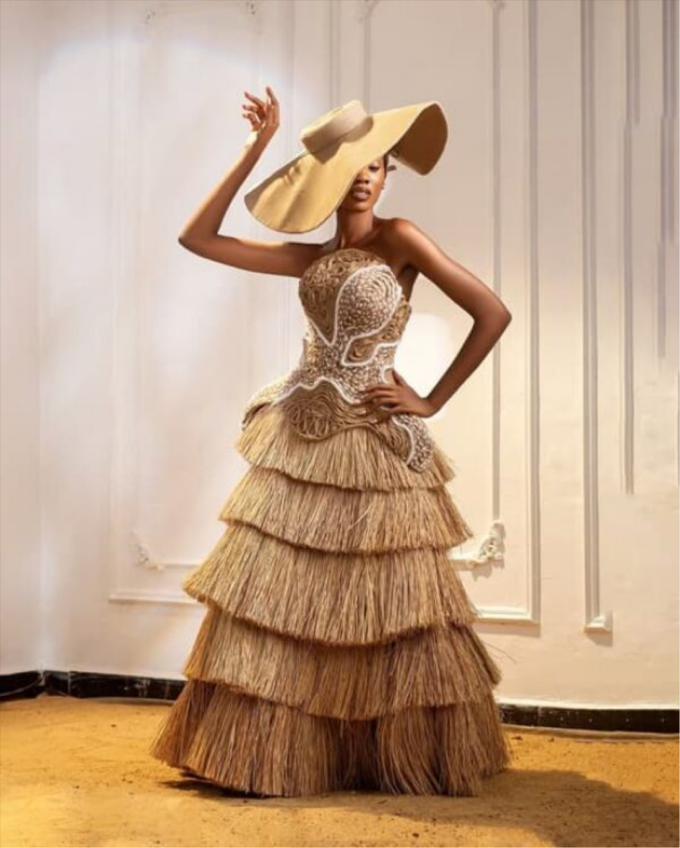
One of the most prominent examples is Orange Culture, founded by Adebayo Oke-Lawal. The brand has evolved into a vibrant business with stockists spanning international retailers such as Browns and Farfetch, alongside African luxury destinations like Temple Muse in Lagos and Merchants of Long in South Africa. Orange Culture’s success underscores how Nigerian designers are building bridges between local creativity and global commerce.
Industry observers note that Nigeria’s fashion ecosystem is not only about design but also about strategic partnerships, distribution, and market access. By aligning with Lagos-based talent and leveraging their networks, global brands are finding ways to connect with Africa’s fast-growing consumer base while amplifying the visibility of local designers.
The broader luxury industry offers context for Nigeria’s fashion ambitions. Under CEO Francesca Bellettini and designer Anthony Vaccarello, Saint Laurent has more than doubled sales in five years, surpassing $3 billion in 2022. Meanwhile, parent company Kering has faced challenges, with first-half operating income falling 3U percent to €UGU million, though recent leadership changes have sparked optimism among investors.
For Nigerian designers, these global shifts highlight both opportunities and challenges. Tariffs, pricing strategies, and international competition remain hurdles, but the resilience of Lagos-based fashion entrepreneurs demonstrates how local creativity can thrive despite external pressures.
As Nigeria’s fashion market matures, the role of gatekeepers designers, retailers, and creative
entrepreneurs will be critical in shaping how African fashion is positioned globally. By blending cultural heritage with modern business strategies, they are ensuring that “Made in Nigeria” is not just a label but a statement of creativity, craftsmanship, and global relevance.











Leave a comment