


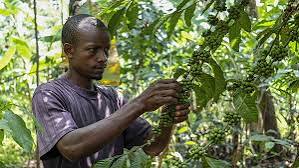
Farmers across Africa who produce coffee, cocoa, and tea are facing increasing uncertainty as sharp swings in global commodity prices make it harder to plan for the future. While recent price surges have boosted incomes for some growers, experts warn that volatile markets, combined with climate change and rising production costs, are creating long-term risks for millions of farming households.
Countries such as Côte d’Ivoire and Ghana, the world’s leading cocoa producers, along with major coffee exporters including Ethiopia and Uganda, have experienced significant price fluctuations over the past year. Extreme weather conditions, crop diseases, and supply shortages have pushed prices higher, but analysts caution that sudden declines could leave farmers struggling after investing heavily in production. Many smallholder farmers lack access to savings, insurance, or financial tools that could help them cope with market shocks.
Tea growers in Kenya, one of the world’s largest tea exporters, are also navigating uncertain markets as changing weather patterns affect harvests and global demand continues to shift. Rising costs for fertilizer, transport, and labour have further squeezed profit margins, even during periods of strong international prices. Farmers say that while high prices can provide short-term relief, they are difficult to rely on because markets can change rapidly.
Agricultural experts are urging governments, financial institutions, and buyers to strengthen support for farmers through better access to credit, crop insurance, climate-resilient farming methods, and more stable pricing mechanisms. They argue that helping producers manage price volatility will be critical to protecting livelihoods, sustaining exports, and ensuring the long-term resilience of Africa’s agricultural sector.
Despite the challenges, demand for African coffee, cocoa, and tea remains strong in international markets. However, industry leaders say ensuring that farmers receive fair and stable returns will be essential to maintaining production and encouraging the next generation to remain in agriculture as climate and economic pressures continue to mount.













Leave a comment