


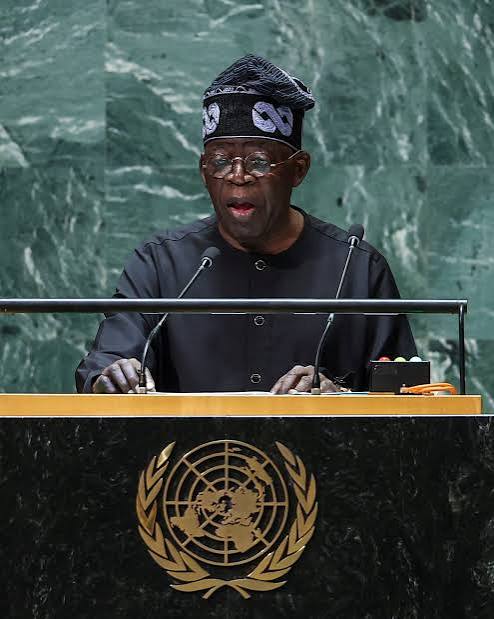
Nigeria’s government says it is taking greater responsibility for leading humanitarian efforts as the role of the United Nations shifts toward providing technical support and strengthening local capacity.
Speaking at the National Humanitarian Roundtable in Abuja, the Minister of Humanitarian Affairs and Poverty Reduction, Prof. Nentawe Yilwatda, said the government is committed to building a nationally led humanitarian system that is more sustainable and less dependent on international aid. He noted that while UN agencies remain important partners, Nigeria must take ownership of coordinating and delivering assistance to vulnerable communities.
The minister explained that the transition comes as global humanitarian funding becomes increasingly constrained, making it necessary for countries to strengthen domestic institutions and improve collaboration with local organizations. He emphasized that the government is working to enhance coordination among federal, state, and community actors to ensure aid reaches those most in need.
The United Nations reaffirmed its commitment to supporting Nigeria through technical expertise, policy advice, and capacity building rather than leading emergency operations directly. UN representatives said the new approach is intended to help create a more resilient humanitarian system led by national institutions.
Nigeria continues to face significant humanitarian challenges, particularly in the northeast, where conflict, displacement, flooding, and food insecurity have left millions in need of assistance. Government officials say strengthening local leadership and partnerships will be key to delivering more effective and sustainable humanitarian responses in the years ahead.









Leave a comment