


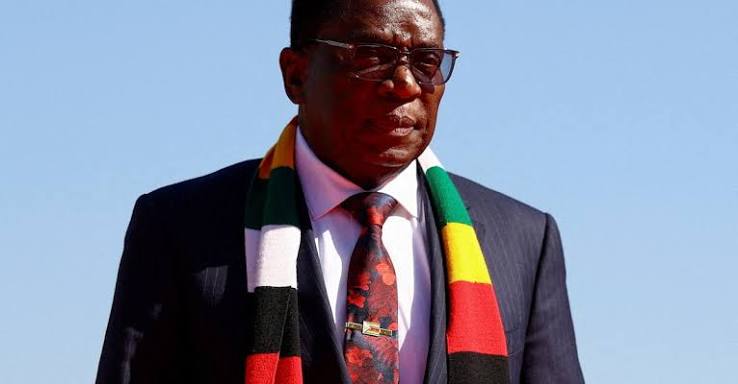
Zimbabwe is a country divided. A day after President Emmerson Mnangagwa signed into law a set of constitutional amendments that will extend his term to 2030 and remove the right of citizens to directly elect their president, residents of the capital Harare were offering reactions that ranged from resigned acceptance to quiet outrage, while legal voices warned that the fight over these changes is far from over.
The amendments, which also transfer the power to appoint the president from voters to parliament, were championed by the ruling ZANU PF party as measures that would enhance political stability. For many ordinary Zimbabweans, however, the timing and substance of the changes are difficult to separate from the daily realities of economic hardship. Harare resident Allen Isam captured that frustration directly. “It’s now law and we can’t change it but if you look around the most important and basic things are not being taken care of,” he said. “For instance unemployment is very high and there are now many vendors and touts, even beggars on the streets. Yet now they talk about extending the term to seven years when we are suffering like this. They are only passing this law to suit themselves and we are not comfortable with this law at all.”
Not everyone in Harare shares that view. Fellow resident Enerst Karo took a different position, expressing support for continuity under the current leadership. “We don’t have a problem with the new law, all we need is the current leadership as it is and for the president to continue ruling,” he said. His view reflects a strand of opinion that credits Mnangagwa’s administration with stability relative to the turbulence of earlier decades, even as economic conditions remain difficult for most Zimbabweans.
The legal challenge to the amendments is already being mapped out. Human rights lawyer Doug Coltart was clear that the signing of the bill into law does not end the matter. “The bill is no longer a bill, it is part of our law but that doesn’t necessarily mean that it is lawful or that it can’t be challenged. It can be challenged and one of the many grounds on which it will be challenged is that the process by which the constitution was amended was not done lawfully,” he said. Coltart and others have argued that amendments of this magnitude, which fundamentally alter how a president is chosen and how long they can serve, should have been put to a national referendum rather than passed through parliament alone.
The political context surrounding these changes is impossible to ignore. Mnangagwa came to power in 2017 following a military-backed coup that ended the decades-long rule of Robert Mugabe. He has since won two five-year presidential terms, which under the previous constitutional framework represented the maximum permitted. The amendments now allow him to serve beyond that limit and, by removing direct presidential elections in favour of parliamentary appointment, fundamentally change the mechanism through which future leaders will be chosen. Critics argue this concentrates power in ZANU PF, which dominates parliament, and removes a direct democratic check on the executive.
Zimbabwe’s history of constitutional manipulation stretches back through the Mugabe era, and many of the country’s citizens have seen this kind of manoeuvre before. The difference this time, according to those planning legal challenges, is that the argument against the process rests not just on political objection but on procedural grounds. If courts agree that the amendment process was itself unconstitutional, the changes could be vulnerable regardless of their current legal status. Whether Zimbabwe’s judiciary has the independence to make such a ruling, in a political environment shaped by ZANU PF’s dominance, is the question that will define what comes next.










Leave a comment