


Italy has warned it could withdraw from the European Union’s SAFE defence financing scheme unless it is granted greater budget flexibility to address soaring energy costs, highlighting a growing clash between fiscal rules and domestic economic pressures.
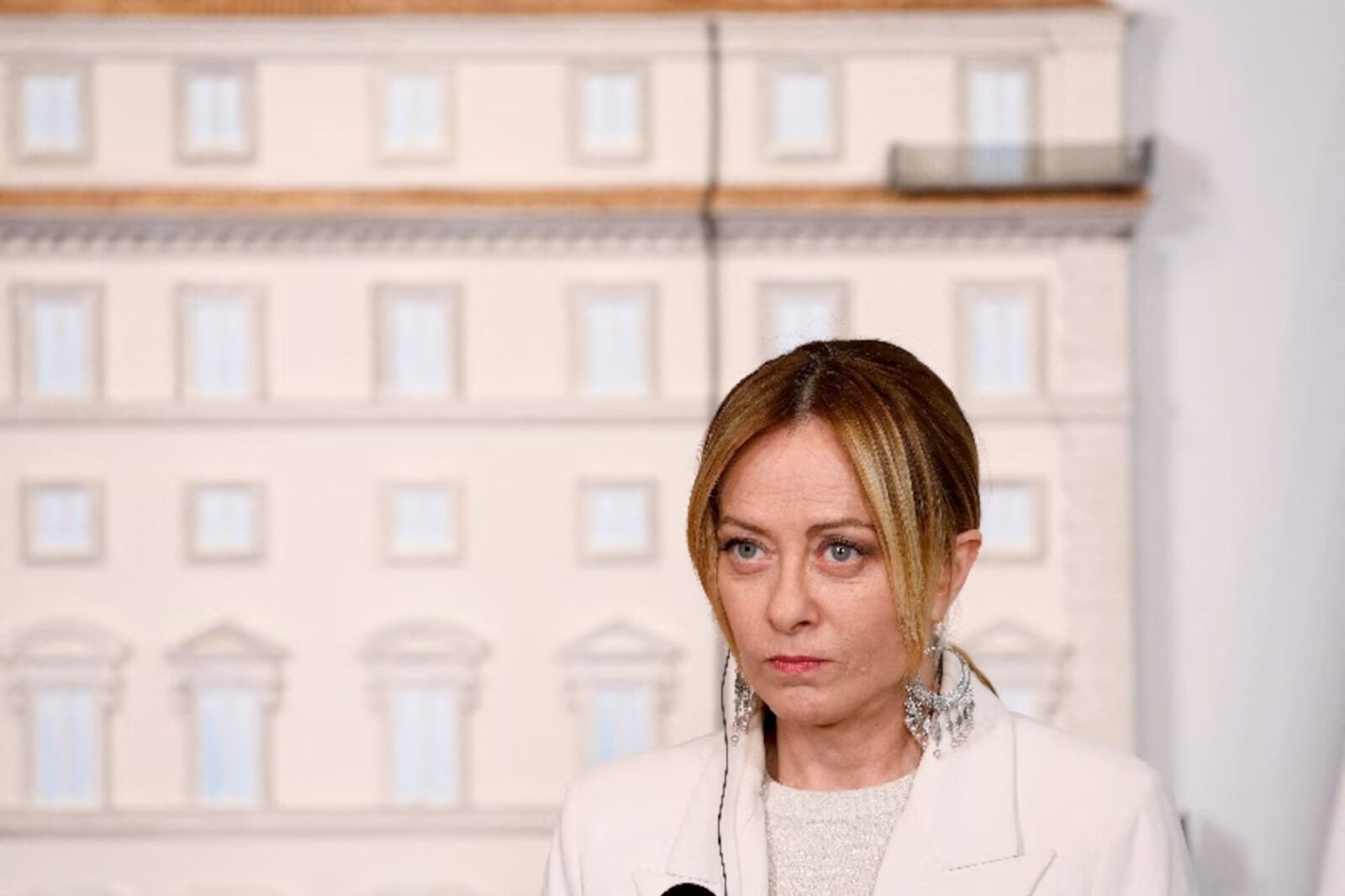
Prime Minister Giorgia Meloni made the position clear in a letter to European Commission President Ursula von der Leyen, arguing that Rome should be allowed to apply the same budget exemptions for energy spending as those currently permitted for defence.
The SAFE initiative, known as Security Action for Europe, is a joint EU borrowing programme designed to help member states boost military investment and meet rising security commitments. However, Italy’s warning underscores the competing demands governments face as they balance defence priorities with the immediate economic strain caused by high fuel and energy prices.
At the centre of the dispute is the EU’s fiscal framework, particularly the “national escape clause,” which allows countries to temporarily exceed deficit limits under exceptional conditions. While the clause has been used to accommodate higher defence spending, Italy is pushing for it to also cover large scale energy support measures for households and businesses.
Rome argues that the energy crisis poses an equally urgent threat to economic stability, requiring significant public spending to cushion its impact. Officials say without such flexibility, it will be politically and economically difficult to justify additional defence commitments under the SAFE scheme.
Extending the exemption could allow Italy to deploy tens of billions of euros in energy support, but it would also risk pushing the country’s budget deficit beyond the EU’s standard 3 percent of GDP limit, a threshold Brussels has so far been reluctant to relax for non defence spending.
The standoff reflects broader tensions within the EU, as member states grapple with overlapping crises, including energy market volatility and heightened security demands. Analysts say Italy’s position could influence other countries facing similar trade offs, potentially shaping how the bloc adapts its fiscal rules in the coming months.
For now, Italy’s warning signals that participation in the SAFE programme is not guaranteed, with the outcome likely to depend on whether Brussels is willing to expand budget flexibility to cover energy related spending as well as defence.





Leave a comment