


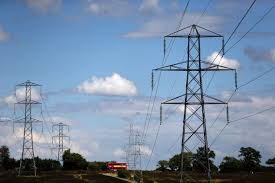
Millions of households across the United Kingdom are set to see a reduction in their energy bills from April 1, 2026, after the country’s energy regulator, Ofgem, confirmed a cut to the energy price cap. The move is expected to ease pressure on household finances at a time when many families continue to grapple with elevated living costs.
Under the new determination, the price cap on standard variable tariffs will fall by roughly seven percent for the upcoming quarter. For a typical dual fuel household paying by direct debit, the annual bill is projected to decrease by approximately £117, bringing the average yearly cost down to about £1,641 from £1,758. On a monthly basis, this equates to a saving of close to £10, although the exact impact will depend on individual energy consumption patterns.
The energy price cap does not limit a household’s total bill. Instead, it sets the maximum unit rate suppliers can charge for gas and electricity, as well as the standing charge that covers network and operational costs. As a result, households that use more energy will still pay more overall, even under the capped rates. The cap primarily applies to customers on default or standard variable tariffs, which account for a significant proportion of households. Those on fixed rate deals are not directly subject to the cap, although market competition often leads suppliers to adjust fixed offerings in response to regulatory changes.
Several factors have contributed to the downward revision. Wholesale energy prices have softened compared with the peaks experienced during the energy crisis earlier in the decade. In addition, government policy adjustments have shifted certain costs, including some environmental and social obligation charges, away from direct billing and into general taxation. This structural change has reduced the burden reflected in consumer tariffs, forming a substantial portion of the announced cut.
Despite the reduction, average bills remain considerably higher than pre crisis levels seen before 2021. Network investment costs, infrastructure upgrades, and the ongoing transition toward cleaner energy sources continue to exert upward pressure on the underlying cost base. Industry analysts note that while the immediate outlook is more stable, price volatility in global energy markets could still influence future cap decisions.
Ofgem has reiterated that the price cap is reviewed quarterly to reflect movements in wholesale markets and system costs. The regulator has also encouraged consumers to compare available tariffs, particularly as competition among suppliers has gradually returned. For some households, especially those able to commit to longer term fixed deals, additional savings may be available beyond the capped rates.
The latest adjustment signals incremental progress in stabilizing the UK energy market and provides measurable, though modest, financial relief for most households. As the market continues to normalize, both regulators and policymakers will be closely monitoring global supply conditions and domestic policy reforms to determine whether further reductions are sustainable in the months ahead.










Leave a comment