


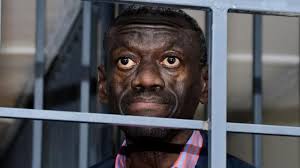
Serious concern is growing over the health of detained Ugandan opposition figure Kizza Besigye, after his wife Winnie Byanyima described his condition as “worrying” following a sudden illness in detention. Speaking to Reuters, Byanyima said Besigye is suffering from multiple alarming symptoms, including a high temperature, severe stomach pain, dehydration, and an inability to walk, raising fears about his immediate wellbeing and access to adequate medical care.
Besigye, 69, is one of Uganda’s most prominent and long standing opposition leaders and a four time presidential challenger to President Yoweri Museveni. He has been in detention for more than a year following his arrest in neighbouring Kenya, where he had travelled before being extradited to Uganda. Upon his return, authorities charged him with treason and other offences, accusations his supporters say are politically motivated and aimed at silencing dissent.
According to Byanyima, the combination of Besigye’s age, prolonged detention, and the severity of his symptoms has made the situation particularly dangerous. She warned that his condition appears to be deteriorating rapidly and said he requires urgent medical attention. Supporters and human rights advocates have echoed these concerns, questioning whether detention facilities are equipped to manage serious health complications and whether Besigye is receiving independent medical assessment and treatment.
Besigye’s detention has been a flashpoint in Uganda’s already tense political environment. For decades, he has been a central figure in opposition politics, consistently challenging Museveni’s nearly four decades in power and accusing the government of electoral fraud, repression, and abuse of state institutions. His repeated arrests and prosecutions over the years have drawn criticism from international human rights organisations, which argue that Uganda’s legal system is being used to intimidate and weaken political opponents.
The circumstances surrounding Besigye’s arrest have also fueled controversy. His detention in Kenya and subsequent extradition to Uganda raised legal and diplomatic questions, particularly among rights groups who say due process was not adequately followed. Since then, calls for his release or at least improved detention conditions have intensified, especially as reports of his declining health emerge.
Byanyima, herself a prominent international figure and executive director of UNAIDS, has been vocal in demanding transparency and accountability from Ugandan authorities. She has urged the government to prioritise Besigye’s health and either grant him access to proper medical care or consider alternative measures such as bail or medical parole.
The Ugandan government has previously defended Besigye’s detention, insisting that he faces legitimate criminal charges and that the law is being applied impartially. However, critics argue that the prolonged detention of an opposition leader without clear resolution, combined with reports of serious illness, reflects a broader pattern of repression in the country’s political landscape.
As concerns over Besigye’s condition grow, pressure is mounting both domestically and internationally for Ugandan authorities to act swiftly. Observers warn that failure to address his health needs could have grave consequences, not only for Besigye himself but also for Uganda’s human rights record and political stability. The situation has become a critical test of the government’s willingness to balance security claims with fundamental rights, including the right to health and humane treatment in detention.







Leave a comment