


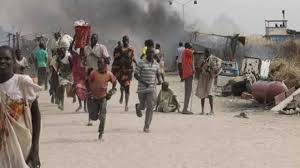
Nigeria’s fragile security situation in the northwestern region has once again been brought into sharp focus following the killing of five soldiers and one police officer in an ambush in Zamfara State. The attack, which occurred on Monday, highlights the persistent threat posed by armed groups operating across vast and poorly secured territories, despite ongoing military operations.
According to the Nigerian army, the troops were attacked while operating in Zamfara, a state that has become synonymous with violent banditry, kidnappings for ransom, and repeated clashes between security forces and armed groups. Army spokesman David Adewusi confirmed the incident in a statement issued on Tuesday, describing the attackers as terrorists. While authorities did not disclose the specific group responsible, Zamfara is known to host multiple armed factions that exploit forested areas as hideouts and staging grounds for attacks.
Adewusi said that despite being caught off guard, the troops responded decisively, engaging the attackers and preventing further violence against nearby communities. He added that the fallen personnel paid the supreme sacrifice during the encounter, underscoring the risks faced daily by security forces deployed to the region. The military has framed the ambush as a reminder of the unpredictability and intensity of operations in areas plagued by entrenched criminal networks.
The attack came shortly after what the army described as successful security operations in Zamfara the previous week, during which three suspects were arrested and weapons were recovered. Such operations are part of broader efforts by Nigerian authorities to dismantle armed groups and restore a measure of stability. However, the ambush suggests that these groups retain the capacity to strike back, often with deadly consequences.
In a separate but related development, Nigerian troops rescued 62 hostages in another operation in the northwest on Wednesday. Army spokesman Olaniyi Osoba said the hostages were freed from the Munhaye Forest, a known hideout linked to a notorious bandit leader in Zamfara State. The rescued individuals are currently being processed, with efforts underway to reunite them with their families. The rescue offered a rare moment of relief amid a climate of fear that has gripped many communities in the region.
Northern Nigeria has borne the brunt of the country’s security challenges in recent years. In the northwest and north central regions, kidnappings for ransom have surged, targeting villagers, travelers, students, and even entire communities. Armed groups, often referred to locally as bandits, operate with relative ease in remote forests, taking advantage of limited state presence, difficult terrain, and long standing socioeconomic grievances.
At the same time, the northeast continues to face an Islamist insurgency that began in 2009 when Boko Haram launched an armed campaign against the Nigerian state. The conflict has since evolved, with an Islamic State affiliated faction, known as the Islamic State West Africa Province, becoming a dominant force in parts of the region. The violence has spilled across borders into neighboring countries such as Niger, contributing to widespread instability across the Lake Chad basin.
According to the United Nations, the insurgency has killed about 35,000 civilians and displaced more than two million people. The humanitarian toll has been immense, with millions in need of food assistance, shelter, and protection. Although banditry in the northwest is distinct from the ideological insurgency in the northeast, the overlapping violence has stretched Nigeria’s security forces thin across multiple fronts.
International attention on Nigeria’s security challenges has intensified in recent months. Last month, the United States launched airstrikes in northern Nigeria targeting Islamic State elements, following allegations that authorities had failed to curb attacks on Christian communities. While the Nigerian government has emphasized its commitment to protecting all citizens regardless of faith, the intervention reflects growing external concern about the scale and persistence of the violence.
The ambush in Zamfara and the simultaneous rescue of hostages illustrate the complex and contradictory realities of Nigeria’s security campaign. Tactical successes coexist with painful losses, and progress remains fragile. As families mourn fallen soldiers and police officers, the incident reinforces calls for stronger intelligence, better equipment, improved coordination, and long term strategies that address the root causes of violence.
Until armed groups are effectively dismantled and communities feel consistently protected, northern Nigeria is likely to remain trapped in a cycle of attacks, reprisals, and insecurity. The latest ambush serves as a sobering reminder of the human cost of that struggle and the urgent need for sustained, comprehensive solutions.




Leave a comment