


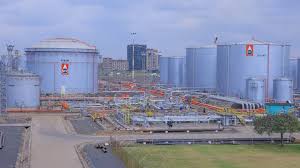
Kenya has begun the process of selling a 65 percent stake in its state owned oil pipeline company, targeting 106.3 billion shillings, equivalent to about 825 million dollars. If completed as planned, the transaction will become the largest initial public offering ever conducted in local currency terms in East Africa, marking a major milestone for Kenya’s capital markets and regional finance.
The sale forms a central part of President William Ruto’s economic strategy to reduce the government’s direct involvement in commercial enterprises and unlock value from public assets. By divesting from selected state owned companies, the administration aims to raise much needed capital, improve efficiency, and attract long term private investment into key sectors of the economy.
This move comes at a time of significant fiscal pressure for Kenya. The country is burdened by high public debt, limited scope to raise taxes, and annual debt servicing costs that consume roughly 40 percent of government revenues. These constraints have pushed the administration to explore alternative funding models that rely less on borrowing and more on market based solutions.
Beyond the oil pipeline company, the government is also reducing its stake in Safaricom, one of the country’s most valuable and influential firms. Together, these actions signal a broader policy shift toward using the stock market to mobilise capital, deepen local investor participation, and strengthen transparency and governance within formerly state dominated enterprises.
The oil pipeline company plays a strategic role in Kenya’s energy infrastructure, supporting the transport and storage of petroleum products across the country and the wider region. By offering a majority stake to investors, the government hopes to bring in fresh capital, technical expertise, and improved management practices, while retaining a meaningful interest in a critical national asset.
Market analysts see the IPO as a potential catalyst for renewed confidence in Kenya’s financial markets. If successful, it could pave the way for further listings of state linked entities and position Nairobi as a stronger regional hub for capital raising.
Ultimately, the sale reflects a pragmatic response to Kenya’s economic realities. By leveraging its assets through the capital markets, the government is seeking to balance fiscal discipline with development needs, while laying the groundwork for a more resilient and investment driven economy.













Leave a comment