


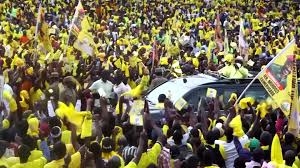
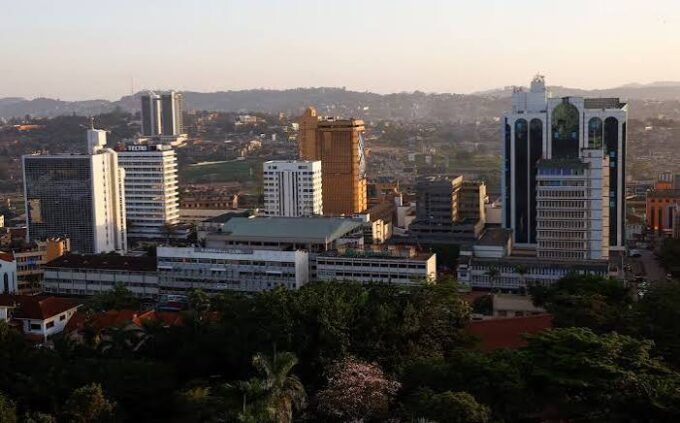
Ugandan authorities have shut down internet access nationwide and ordered several civil society and human rights organisations to suspend their activities ahead of the country’s general election, drawing sharp criticism from opposition figures and rights advocates.
The internet blackout began hours before polling was set to commence, with users across the country reporting loss of access to social media platforms, messaging services, and in many cases the wider internet. Telecommunications companies confirmed they had received directives from the government to restrict services, citing national security concerns.
In parallel, security agencies ordered a number of domestic and international rights groups to halt election-related work, including voter education, observation, and parallel vote tabulation. Officials accused some organisations of operating outside their mandates and interfering in Uganda’s internal political processes.
Government spokespersons defended the measures as necessary to maintain public order and prevent the spread of misinformation during a sensitive period. They argued that previous elections had been marred by unrest fueled by online mobilisation and unverified reports circulated on social media.
Opposition leaders, however, condemned the shutdown as a deliberate attempt to suppress dissent and limit transparency. They said cutting off internet access undermines freedom of expression, restricts communication between election observers, and hampers citizens’ ability to report irregularities.
Human rights organisations warned that the restrictions could significantly affect the credibility of the electoral process. They noted that internet shutdowns have become a recurring feature of elections in Uganda and other parts of Africa, often coinciding with heightened security deployments and arrests of opposition supporters.
International observers and diplomatic missions also expressed concern, urging Ugandan authorities to restore connectivity and allow civil society groups to operate freely. They stressed that open communication and independent monitoring are essential for elections to be viewed as free and fair.
President Yoweri Museveni, who has been in power since 1986, is seeking another term amid an increasingly tense political environment. His main challenger, opposition figure Bobi Wine, has repeatedly accused the government of intimidation, violence, and systemic efforts to tilt the electoral process in its favour.
As voting proceeds under heavy security presence, the internet shutdown and restrictions on rights groups have intensified debate over democratic space in Uganda, with critics warning that such measures risk further eroding public trust in the country’s electoral institutions.





Leave a comment