


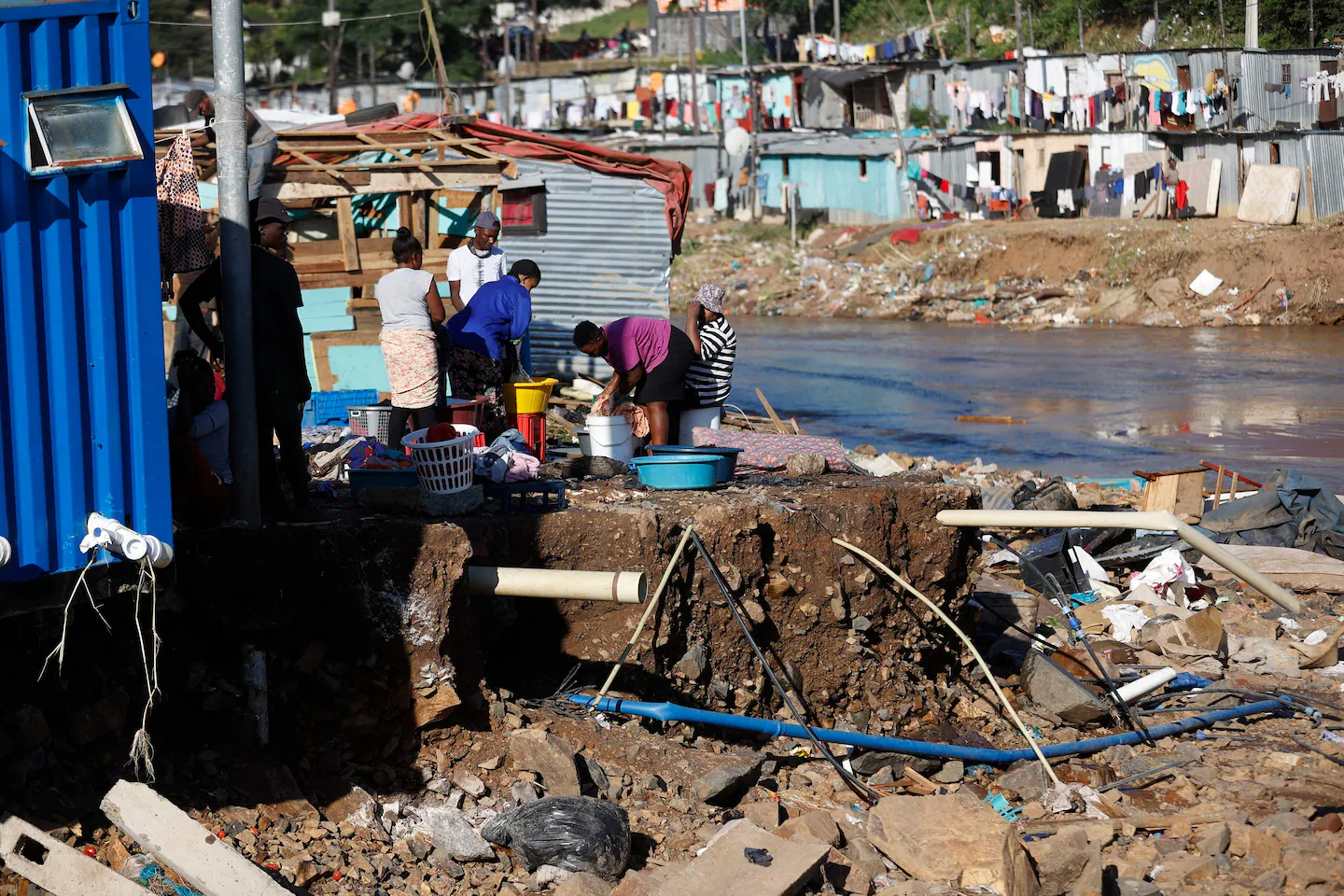
Amnesty International South Africa has issued a scathing report accusing the government of neglecting millions of citizens living in informal settlements that are repeatedly ravaged by floods. The report, “Flooded and Forgotten: Informal Settlements and the Rights to Housing in South Africa,” reveals a devastating pattern of government inaction amid worsening climate conditions, poor urban planning, and inadequate disaster management.
Launched at Constitutional Hill in Johannesburg, the report highlights the daily struggles faced by over five million South Africans living in flood-prone informal settlements across cities like Johannesburg, eThekwini, and Cape Town. Residents in these areas are forced to rebuild their lives after every downpour, often without any support from authorities.
“We have no help from anyone. Every time it rains, we lose everything,” said Siphesihle Madonsela, a resident of Freedom Park in Johannesburg. Many families live in makeshift homes made from tin, wood, and plastic, with no proper drainage, sanitation, or access to clean water and electricity. When floods strike, their homes are destroyed, their children miss school, and emergency services struggle to reach them.
In KwaZulu-Natal, survivors of the 2022 floods remain in temporary shelters nearly three years later. Some were tragically killed when the same relocation sites flooded again this year. “When floods hit, roads become rivers, and ambulances can’t reach us,” said local resident Palesa Mashinini.
Amnesty International SA’s executive director, Shenilla Mohamed, condemned the government’s lack of urgency and accountability. “The government is failing the millions of people trapped in these underserved areas. People live in informal settlements because there is a shortage of affordable housing or because they need to live close to their workplaces,” she said.
The report links worsening floods to climate change, warning that heavier rainfall and rising temperatures will make the situation even more dire. Despite the existence of strong policies like the Disaster Management Act and National Disaster Management Framework, Amnesty says the government’s response remains “patchy and piecemeal.” Municipalities often fail to classify these recurring floods as disasters, leaving victims without emergency aid or long-term solutions.
In Cape Town’s Khayelitsha township, residents say they have grown accustomed to sleeping in damp clothes during winter, fearing that water could invade their homes at any moment. “We use plastic sheets and wooden boards to keep the water out. No one from the city ever checks on us,” one resident said.
Amnesty International has called on authorities to urgently upgrade informal settlements, provide access to clean water and sanitation, and integrate climate resilience into urban planning. The organization stressed that failing to do so violates citizens’ constitutional rights to housing and dignity.
Meanwhile, the City of Tshwane claims it is relocating residents from flood-prone zones as part of an ongoing informal settlement upgrade programme. “We are urging all affected residents to remain patient and allow the processes to unfold as planned,” said Aaron Maluleka, Tshwane’s housing and human settlements MMC.
As climate change intensifies, Amnesty warns that South Africa’s poorest communities will continue to pay the highest price unless the government takes decisive and inclusive action to protect them.








Leave a comment