


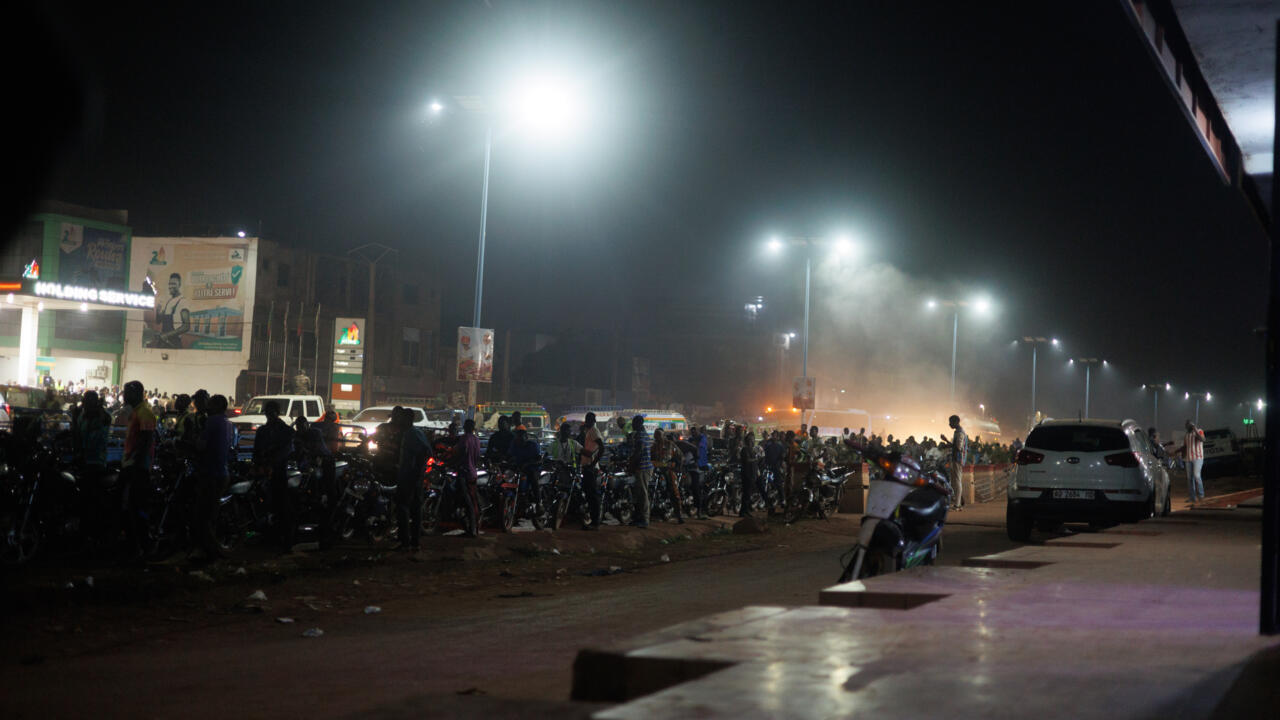
Landlocked Mali is facing one of its most critical moments in recent history as jihadist groups affiliated with al-Qaida have laid siege to the nation’s capital, Bamako. For more than a month, these insurgents have launched relentless attacks on fuel convoys and key supply routes, effectively choking off the city’s access to essential goods and raising fears that the military junta’s five-year rule may be nearing collapse.
The escalating crisis has prompted the United States to issue an urgent evacuation notice to all its citizens in Mali, warning of the deteriorating security situation. Analysts now question whether the jihadist blockade could signal the beginning of the end for Bamako, a city whose fall would have devastating political, economic and humanitarian consequences.
Bamako, home to over four million people, is Mali’s beating heart the centre of government, commerce and infrastructure. Its isolation is already taking a heavy toll. With transport links severed and fuel supplies dwindling, the junta has been forced to close schools and universities. What began as scattered attacks on roads and convoys has evolved into a full-scale siege, reflecting the growing strength and reach of Jama’at Nusrat al-Islam wal-Muslimin (JNIM), an al-Qaida-linked coalition expanding southward from Mali’s desert heartland.
The current situation exposes the limits of the junta’s power and its struggle to maintain control. Despite military support from regional allies in the Alliance of Sahel States and the involvement of Russian mercenaries, the regime faces the daunting task of securing the capital’s lifelines. Many fear that even if Bamako withstands the blockade, the humanitarian and economic damage will be irreversible.
Observers believe three possible outcomes lie ahead. The first is a military resurgence — an unlikely scenario given the army’s weakened capacity and lack of urban combat experience. The second is a negotiated political settlement between the junta and jihadist leaders, a controversial option that could force Mali’s leadership to compromise on its secular constitution. The third, and most alarming, is the fall of Bamako itself, which would plunge the nation into chaos and possibly reshape West Africa’s political landscape.
Calls for dialogue have been growing among Mali’s political, religious and business elites. Influential figures like former National Assembly president Alioune Nouhoum Diallo and business leader Mossadeck Bally argue that negotiation may be the only path forward. Yet, deep divisions persist over whether the state should engage extremists who reject Mali’s secular values.
If Bamako were to fall, analysts suggest the jihadist coalition might struggle to govern. The loose alliance of militant groups is plagued by internal rivalries and clashes with the Islamic State’s Sahel branch, raising doubts about their ability to maintain unity or administer a city as large as Bamako.
For now, the city remains on edge fuel stations are empty, supply routes are blocked, and residents face an uncertain future. The crisis has exposed the fragility of Mali’s state institutions and the growing reach of jihadist movements across the Sahel.
Whether through military defense, fragile negotiation, or collapse into chaos, what happens in Bamako in the coming weeks may define the fate of Mali and could alter the balance of power across West Africa for years to come.









Leave a comment