


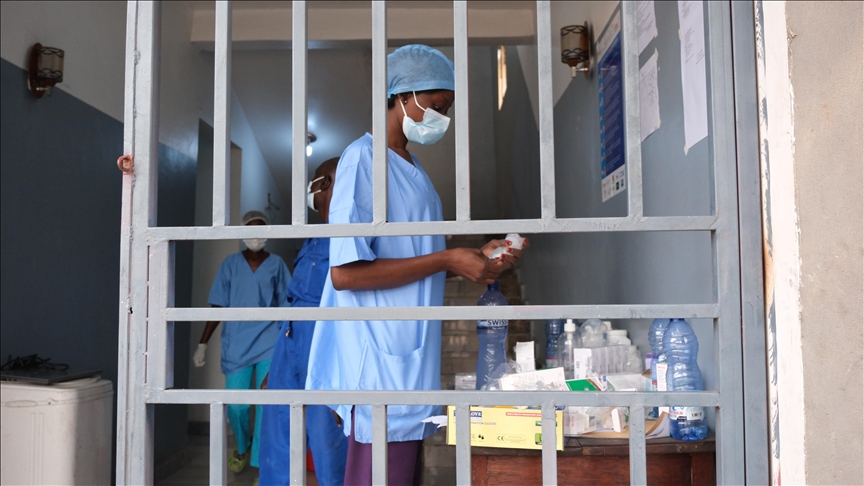
Rwanda has officially declared an end to the Marburg virus disease outbreak, marking a significant public health victory after no new cases were reported for 42 consecutive days, health officials announced on Friday.
“This is an important milestone for Rwanda’s public health system. While we mourn the lives lost, we are encouraged by the progress made,” said Health Minister Sabin Nsanzimana at a press conference in Kigali. Nsanzimana attributed the success to the dedication of Rwanda’s health workforce, the government’s decisive action, and strong collaboration with international health partners.
The outbreak, which was declared on September 27, claimed 15 lives out of 66 confirmed cases. Notably, nearly 80% of infections occurred among frontline health workers who contracted the virus while providing clinical care to colleagues and patients. Despite this challenge, Rwanda’s health authorities mobilized swiftly to identify, contain, and eventually eliminate the outbreak.
The World Health Organization (WHO) commended Rwanda’s robust response to the crisis. Brian Chirombo, WHO’s representative in Rwanda, highlighted the importance of a resilient health system and concerted efforts in addressing public health emergencies. “Rwanda’s success demonstrates how a strong health system and collaboration can save lives, protect communities, and mitigate further spread of such dangerous diseases,” Chirombo stated.
Rwanda’s swift response included enhanced surveillance systems, improved infection prevention protocols, and the timely isolation of cases. The country also launched a targeted vaccination campaign in October, becoming one of the first in the region to trial a Marburg virus vaccine. The initiative, supported by the US-based Sabin Vaccine Institute, prioritized frontline health workers and individuals identified as close contacts of infected patients. The trials proved instrumental in halting further infections.
The last confirmed Marburg case tested negative for the virus on November 7, initiating the 42-day countdown recommended by WHO guidelines for declaring an outbreak officially over.
Health officials underscored the importance of identifying the zoonotic origins of the virus to strengthen preventive measures against future outbreaks. “We have successfully identified the virus’s zoonotic origin and continue to bolster our surveillance systems to prevent recurrence,” Nsanzimana affirmed. The Marburg virus, like Ebola, is transmitted from fruit bats to humans and can spread rapidly through direct contact with bodily fluids, contaminated surfaces, or infected materials.
The disease, belonging to the same virus family as Ebola, causes severe hemorrhagic fever with an abrupt onset of symptoms. These include high fever, intense headaches, and general malaise, with many patients developing severe bleeding within a week of infection. Without immediate intervention, the disease’s fatality rate can reach alarming levels, making early detection and containment crucial.











Leave a comment