


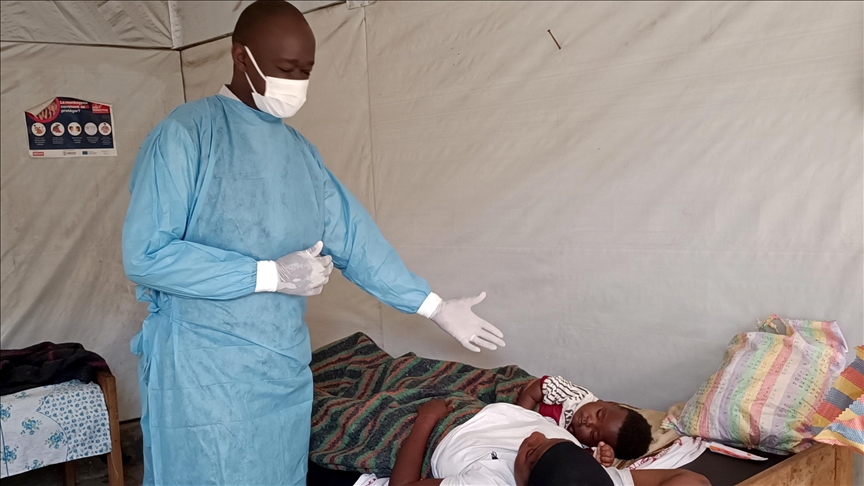
The South African Department of Health has issued a public health alert following a significant surge in rubella cases across the country, with infections surpassing the 10,000 mark. The department reported on Thursday that 10,137 confirmed cases of rubella have been recorded between January and November 2024, marking a notable increase compared to the previous year.
The majority of rubella cases have been identified in Gauteng province, which includes Pretoria, the capital city, and Johannesburg, South Africa’s largest urban center. Additional cases have also been detected in the Western Cape province, raising concerns about the spread of the viral infection across densely populated areas.
“More than 90% of the total cases are in children under 15 years of age, accounting for over 8,300 infections, with only one patient reported over the age of 50,” the health department said in its statement.
Rubella, also referred to as German measles or three-day measles, is a highly contagious viral infection known for its distinctive red rash. While not identical to measles, rubella shares common symptoms such as fever, sore throat, and a red rash. The virus spreads primarily through respiratory droplets released when an infected person coughs or sneezes, making it particularly transmissible in crowded spaces such as schools and households.
Health authorities have emphasized the heightened risk that rubella poses to vulnerable groups, particularly pregnant women and young children. Infection during the first trimester of pregnancy can result in congenital rubella syndrome (CRS), a condition that can cause severe birth defects, including heart abnormalities, deafness, and developmental delays in unborn children.
Amid the surge in rubella cases, the Department of Correctional Services has reported an outbreak of diphtheria at the Pollsmoor Correctional Centre in the Western Cape. Seven confirmed cases of the bacterial infection have been recorded, prompting prison authorities to implement urgent containment measures.
Diphtheria is a serious infection caused by Corynebacterium diphtheriae, a bacterium that primarily affects the mucous membranes of the nose and throat. According to the Mayo Clinic, the disease can cause difficulty breathing, heart rhythm complications, and nerve damage. It is highly contagious and spreads through respiratory droplets or contact with infected surfaces.
Prison officials have placed 44 inmates in isolation as a precautionary measure while conducting contact tracing to identify individuals who may have been exposed to the infected patients. Authorities are monitoring the situation closely to prevent further transmission within the correctional facility.









Leave a comment