


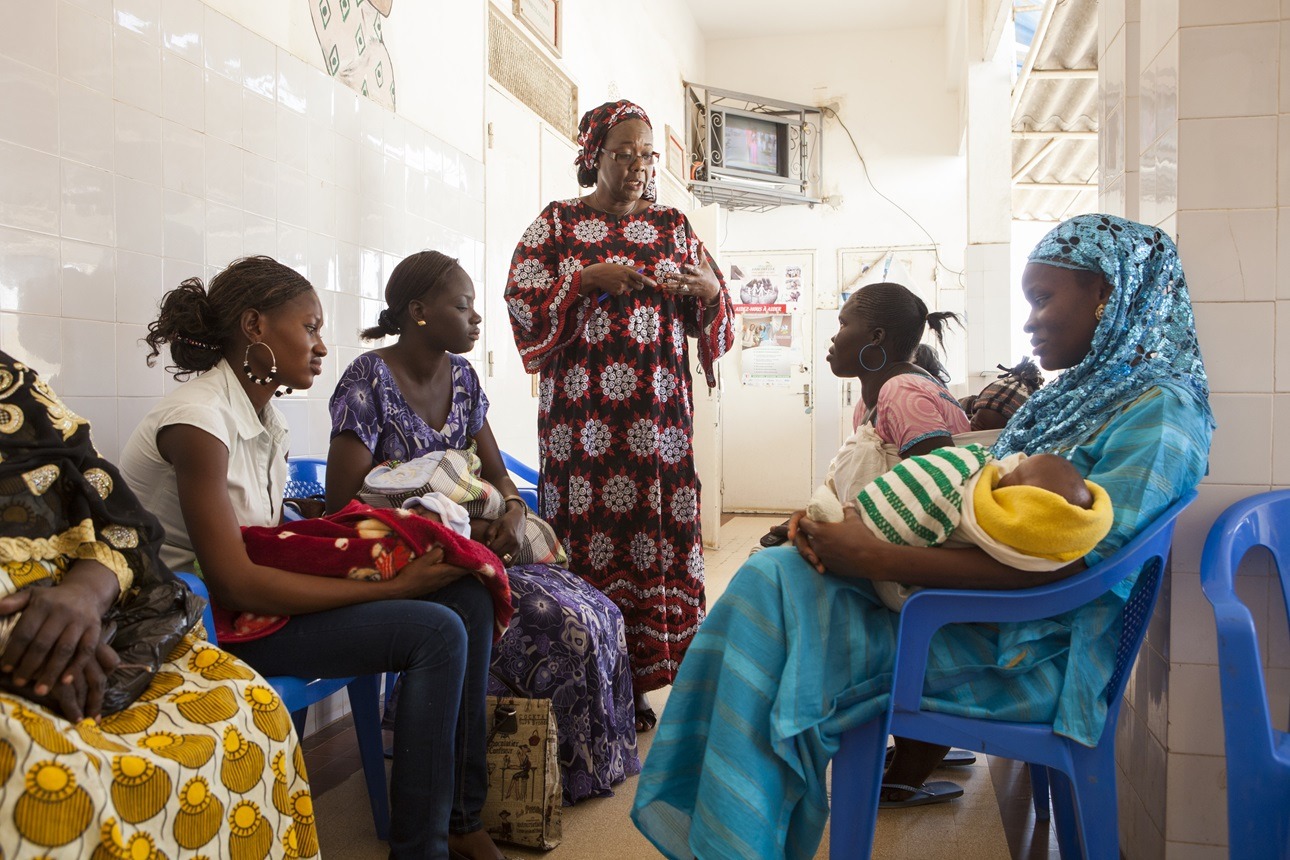
Senegal, with an average of 4.4 births per woman, remains one of the countries with the highest fertility rates globally. However, high birth rates come with significant risks, particularly for women in rural areas where access to healthcare is limited. In some regions, as many as one in 19 women die during childbirth, a staggering figure that underscores the lack of adequate maternal health services. The problem is compounded by the prevalence of “medical deserts,” where the nearest healthcare facility may be miles away, often understaffed and lacking essential resources.
In response to these challenges, Awa Ndiaye, a passionate advocate for information and communications technology (ICT), founded Njureel Telemedicine—a digital platform designed to break down barriers to quality maternal healthcare. Njureel is the first platform of its kind in Senegal, offering innovative solutions such as video and voice teleconsultations, patient monitoring, geolocation services for nearby pharmacies and hospitals, and educational content in local languages. Ndiaye’s vision for Njureel is simple yet profound: to leverage technology to improve maternal health outcomes, particularly for women in remote areas.
Awa Ndiaye’s journey into healthcare innovation was bolstered by her participation in the Academy for Women Entrepreneurs (AWE) program. In 2021, she graduated from the program and secured a $25,000 grant from the United States African Development Foundation (USADF) to support the establishment of Njureel. These funds were instrumental in conducting market research, identifying healthcare partners, developing the telemedicine platform, and acquiring essential equipment and supplies. Ndiaye also used the grant to employ and train staff, ensuring Njureel had a team capable of executing its mission effectively.
By the end of 2021, Njureel Telemedicine had achieved remarkable milestones. The platform’s development and launch were informed by extensive market research, which allowed Ndiaye and her team to address the most pressing needs of Senegalese women. Njureel established partnerships with local healthcare providers to facilitate access for mobile platform users. The platform received support from key institutional players, including the President of Senegal, Mothers at Risk, SOS Médecins Senegal, and UN Women Senegal. With this backing, Njureel was able to offer instant medical care to 1,500 women and adolescents, marking a significant step toward reducing maternal mortality in the country.
The success of Njureel did not end there. Based on the insights gathered during market research, Ndiaye’s team trained over 60 community workers in Yeumbeul, a suburb of Dakar, on managing women’s sexual and reproductive health. These community workers played a critical role in educating the population, conducting programs that sensitized 800 girls on intimate hygiene and violence in schools. The initiative also created opportunities for detecting cases of sexual abuse and harassment, providing young girls with access to the appropriate resources and support.
Since its launch, Njureel has continued to expand its services. With a network of over 30 healthcare professionals, the platform has been tested in five private health facilities and has helped more than 8,000 women access medical professionals. Njureel has also introduced a psychological helpline, providing additional support to women dealing with mental health challenges related to maternal, reproductive, and sexual well-being.
Njureel Telemedicine is not just a digital healthcare solution—it is a lifeline for thousands of women in Senegal, offering them the tools and support they need to navigate their reproductive health safely. Awa Ndiaye’s initiative is helping to reshape maternal healthcare, one woman at a time, and is a shining example of how technology can bridge the gap in healthcare access across Africa.









Leave a comment