

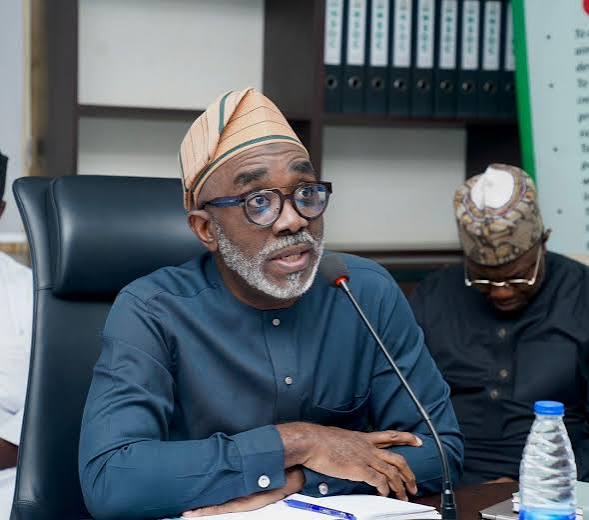
Kenya is in talks with the World Bank and the African Development Bank (AfDB) to secure additional financing for its budget before the end of the 2026/27 financial year, Central Bank of Kenya Governor Kamau Thugge has said.
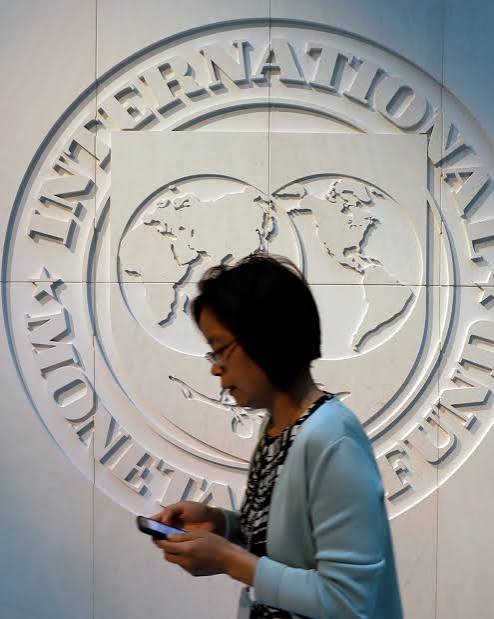
Thugge disclosed the discussions on Friday, October 16, on the sidelines of the International Monetary Fund (IMF) and World Bank Group annual meetings in Bangkok. He said the government was exploring several funding options, including a potential World Bank Development Policy Operation (DPO), with external financing expected between now and June 2027.
A debt for food swap is also under consideration, although Thugge said he could not provide further details because he was not directly involved in the negotiations. Such arrangements can link debt obligations with funding for food security or related development priorities, depending on their structure.
The discussions come as Kenya seeks additional resources to meet public spending needs while managing borrowing costs and debt repayment obligations. A separate financing package being pursued from the World Bank and AfDB was reported earlier this month to total about 127 billion Kenyan shillings, comprising a proposed $725 million World Bank operation and approximately 34 billion shillings from the AfDB. The facilities remain subject to negotiations, reforms and approval processes.
Kenya is also considering its options for a new financing arrangement with the IMF following the end of its previous programme. Thugge said a new IMF programme was not included in the government’s current financing plans, but concessional funding from the institution could reduce reliance on domestic borrowing and potentially leave more credit available for private businesses.
An IMF team is expected to visit Nairobi in December for routine Article IV consultations, which assess a country’s economic performance and policy priorities. The visit could also provide an opportunity for discussions about a future programme, although it would not automatically result in a new loan.
Thugge also highlighted inflation risks associated with rising fuel prices and higher global bond yields, which could put pressure on the Kenyan shilling. He said falling food prices might partly offset fuel-related inflation, making further monitoring necessary before the central bank decides on its next policy move.
The Central Bank of Kenya has maintained its benchmark lending rate at 8.75 per cent for four consecutive policy meetings. Thugge projected economic growth of 5 per cent in 2026 and 5.3 per cent in 2027, citing expected contributions from agriculture, industry and services. These projections are higher than the IMF’s forecasts of 4.5 per cent and 4.7 per cent for the respective years.
The financing discussions reflect Kenya’s effort to secure external budget support while balancing debt sustainability, inflation risks and access to credit for the private sector. The final amount and timing of any new funding will depend on the outcome of negotiations and the approval requirements of the lending institutions.






Leave a comment