


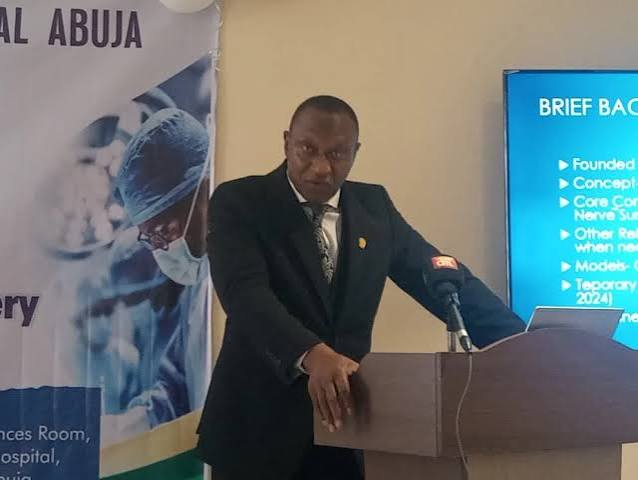
Nigeria loses an estimated $2 billion annually to medical tourism, Chief Executive Officer of Wellington Hospital for Neurology and Neurosurgery, Dr. Charles Ugwuanyi, has said, urging the Federal Government to invest in specialist healthcare services to reduce the outflow of patients and foreign exchange.
Ugwuanyi made the call on Monday in Abuja at a news conference marking the hospital’s 15 years of providing neurological and neurosurgical services in Nigeria.
He said the country could retain more of the money spent on overseas treatment by supporting private specialist hospitals, improving electricity supply and expanding health insurance coverage to include advanced neurological and surgical procedures.
“Sustained investment in modern medical equipment, specialist training and reliable electricity supply is essential to strengthening local capacity and reducing the need for Nigerians to seek treatment abroad,” he said.
The neurosurgeon stressed that restoring public confidence in domestic healthcare would require retaining skilled medical professionals, providing continuous training and educating Nigerians about the availability of specialist services locally.
He said Wellington Hospital had treated 9,457 patients and performed 4,657 operations over the past 15 years. The procedures included 2,150 brain surgeries and 2,307 spine surgeries.
Ugwuanyi said the hospital had invested in diagnostic equipment, six operating suites, intensive care facilities and seven dialysis machines to support patients requiring complex treatment. He added that the facility had adopted solar power to provide more reliable electricity for specialised equipment and reduce operating costs.
He also called for stronger collaboration among healthcare providers, saying partnerships and referrals to competent facilities could improve patient safety and access to specialised treatment.
On kidney disease, Ugwuanyi identified hypertension, diabetes and the misuse of medication as major contributors to kidney damage. He expressed concern that some Nigerians live with undiagnosed high blood pressure and diabetes or struggle to adhere to prescribed treatment because of medication costs.
He cautioned against indiscriminate use of painkillers, including ibuprofen, indomethacin and naproxen, noting that their misuse could damage the kidneys. He advised Nigerians to undergo regular medical checks, monitor their blood pressure and blood sugar levels, and avoid self-medication.
Nigeria’s medical tourism challenge has also been highlighted by the Federal Government. In April 2025, Coordinating Minister of Health and Social Welfare Muhammad Ali Pate cited an estimated annual loss of $2 billion, attributing the trend to gaps in access, quality and confidence in the local health system.
Ugwuanyi said sustained investment in infrastructure, specialist expertise and partnerships would be necessary to expand the range of complex procedures available in Nigeria and reduce the need for patients to seek treatment abroad.










Leave a comment