


According to the IMF, AI could become a powerful catalyst for inclusive growth across the continent by helping businesses automate routine processes, improve operational efficiency, reduce production costs, and develop innovative products and services. However, realizing these benefits will depend on addressing persistent infrastructure gaps that continue to limit digital transformation in many African countries.
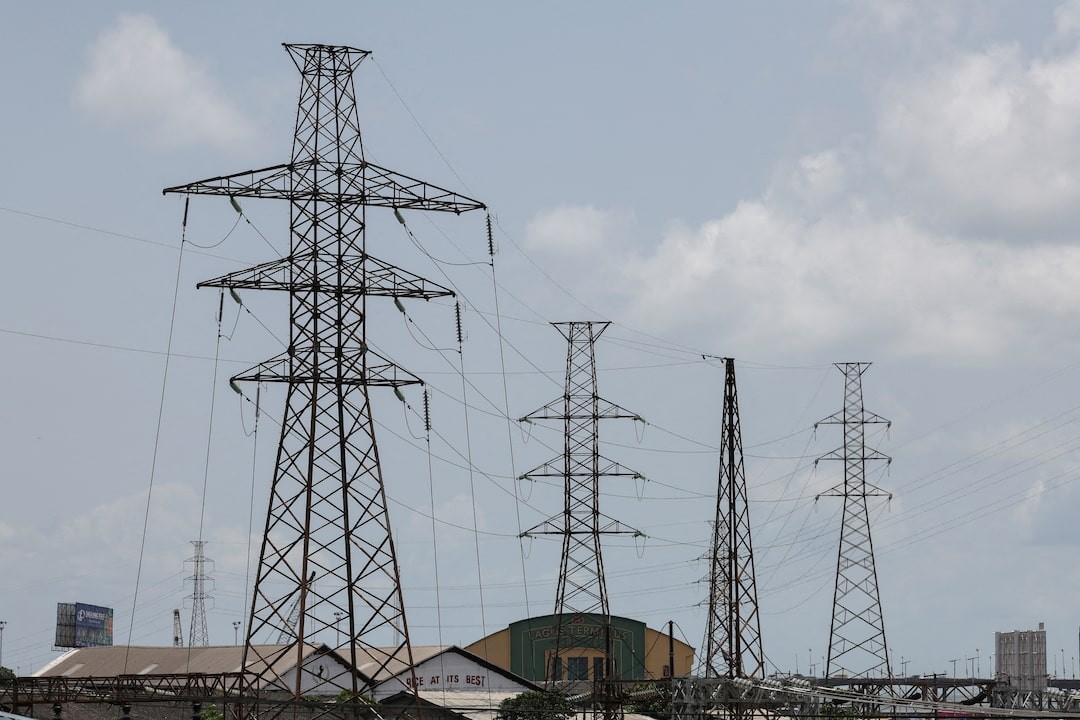
The report identifies reliable electricity as one of the most critical requirements for successful AI adoption. Frequent power outages and limited access to electricity remain major obstacles for businesses seeking to deploy advanced digital technologies. Without dependable energy infrastructure, data centers, cloud computing services, and AI-powered applications cannot operate efficiently.
Internet connectivity is another key factor highlighted by the IMF. Although Africa has witnessed remarkable growth in mobile broadband usage over the past decade, significant disparities remain between urban and rural communities. Expanding affordable high-speed internet access will be essential to ensuring that businesses, schools, healthcare institutions, and entrepreneurs can fully benefit from AI-driven innovation.
The Fund also emphasizes the importance of investing in education and digital skills development. As AI transforms labour markets globally, workers will require new technical competencies to remain competitive. Governments are encouraged to strengthen science, technology, engineering, and mathematics (STEM) education while promoting vocational training, digital literacy, and lifelong learning programs that prepare citizens for emerging technology-driven careers.
Across Africa, businesses are already exploring AI applications in multiple sectors. Financial institutions are using artificial intelligence to detect fraud, improve customer service through chatbots, and strengthen credit risk assessments. Healthcare providers are deploying AI-assisted diagnostic tools to improve disease detection and patient care. Farmers are increasingly using AI-powered weather forecasting, satellite imagery, and precision agriculture technologies to increase crop yields and manage climate-related risks.
The technology is also transforming logistics, retail, manufacturing, and public administration. Companies are leveraging predictive analytics to optimize supply chains, while governments are beginning to explore AI solutions for tax administration, public service delivery, and data-driven policymaking.
Despite these opportunities, the IMF cautions that AI adoption also presents important challenges. Policymakers must establish appropriate regulatory frameworks to address issues such as data privacy, cybersecurity, algorithmic bias, consumer protection, and ethical use of artificial intelligence. Effective governance will be necessary to build public trust while encouraging responsible innovation.
The Fund further notes that Africa’s youthful population represents one of its greatest advantages in the AI era. With one of the world’s fastest-growing labour forces, the continent has the opportunity to develop a new generation of digital entrepreneurs, software developers, engineers, and technology innovators capable of competing in the global digital economy.
Experts believe collaboration between governments, universities, technology companies, development finance institutions, and private investors will be crucial to unlocking AI’s full potential. Strategic investments in innovation hubs, research institutions, startup ecosystems, and digital infrastructure could accelerate the continent’s transition toward knowledge-based economies.
As countries continue implementing national digital transformation strategies and the African Continental Free Trade Area (AfCFTA) creates larger integrated markets, AI is expected to become an increasingly important driver of economic competitiveness. While infrastructure deficits remain significant, the IMF argues that targeted investments today could position Sub-Saharan Africa to capture substantial long-term economic gains.
The Fund’s projection serves as both an opportunity and a call to action. By strengthening digital infrastructure, expanding access to electricity, investing in human capital, and promoting responsible innovation, African countries can position themselves to leverage artificial intelligence not merely as a technological advancement, but as a powerful engine for sustainable economic growth and inclusive development.











Leave a comment