


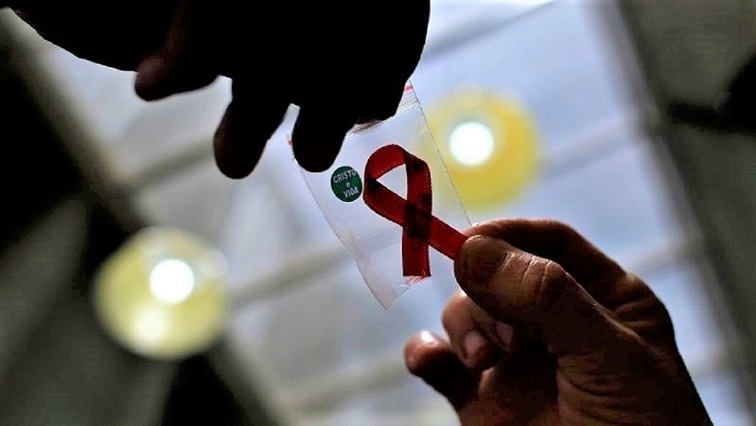
Reductions in international health funding are raising concerns about Africa’s ability to sustain progress in the prevention and control of infectious and noncommunicable diseases, public health experts and development partners have warned.
Health officials say declining financial support could affect disease surveillance, vaccination programmes, laboratory services and access to essential medicines, potentially reversing years of progress in strengthening health systems across the continent.
Many African countries rely on a combination of domestic health spending and external assistance to fund programmes targeting diseases such as HIV, tuberculosis and malaria, as well as outbreak preparedness and maternal and child health services.
Public health experts caution that funding shortfalls may disrupt routine immunization campaigns, delay disease detection and response, and reduce the capacity of healthcare systems to respond to future health emergencies.
The situation has renewed calls for African governments to increase domestic investment in healthcare while strengthening partnerships with regional and international organizations. Experts also emphasize the need for more sustainable financing models to reduce dependence on external donors.
Health economists note that investments in disease prevention and primary healthcare can generate long-term economic benefits by reducing treatment costs, improving workforce productivity and strengthening resilience against future outbreaks.
Regional health institutions continue to advocate for coordinated action to protect essential health services and maintain progress toward universal health coverage. They argue that sustained investment in healthcare is critical to achieving broader development goals, including poverty reduction and economic growth.
As governments and development partners review future funding priorities, health stakeholders say preserving essential public health programmes will be vital to safeguarding the gains made in disease control and improving health outcomes across Africa.












Leave a comment