


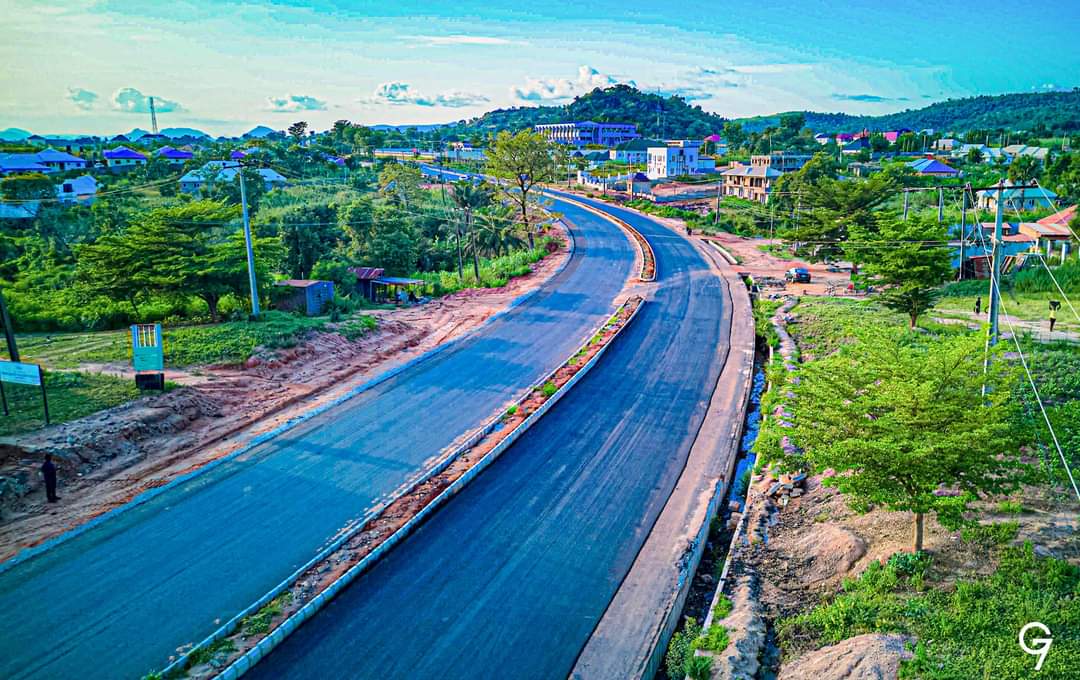
Investments in road infrastructure across Kogi State are improving connectivity, supporting economic activity and strengthening access to essential services, highlighting the role of transport networks in national development.
As a gateway linking Nigeria’s northern and southern regions, Kogi occupies a strategic position in the country’s transport system. Government efforts to expand and rehabilitate roads are expected to improve the movement of people and goods, reduce travel times and facilitate trade across the state and neighboring regions.
Road infrastructure is widely regarded as a key driver of development, particularly in agriculture, commerce and industrial growth. Improved road access can help farmers transport produce to markets more efficiently, lower logistics costs for businesses and expand access to healthcare and education for rural communities.
Officials say ongoing road projects are designed to address long-standing infrastructure gaps while supporting economic integration and attracting investment. Better transport links are also expected to enhance regional mobility and improve access to government services.
Despite progress, infrastructure experts note that sustained investment in road maintenance, drainage systems and traffic management will be essential to preserving the benefits of new and rehabilitated roads. They also emphasize the importance of incorporating climate resilience and road safety measures into future transport planning.
Analysts say improved road connectivity in Kogi could strengthen the state’s role as a national transport hub, supporting broader economic development and facilitating movement along key interstate corridors.
As construction and rehabilitation projects continue, stakeholders stress that effective implementation, regular maintenance and transparent project oversight will be critical to ensuring that road investments deliver lasting economic and social benefits for communities across the state.










Leave a comment