


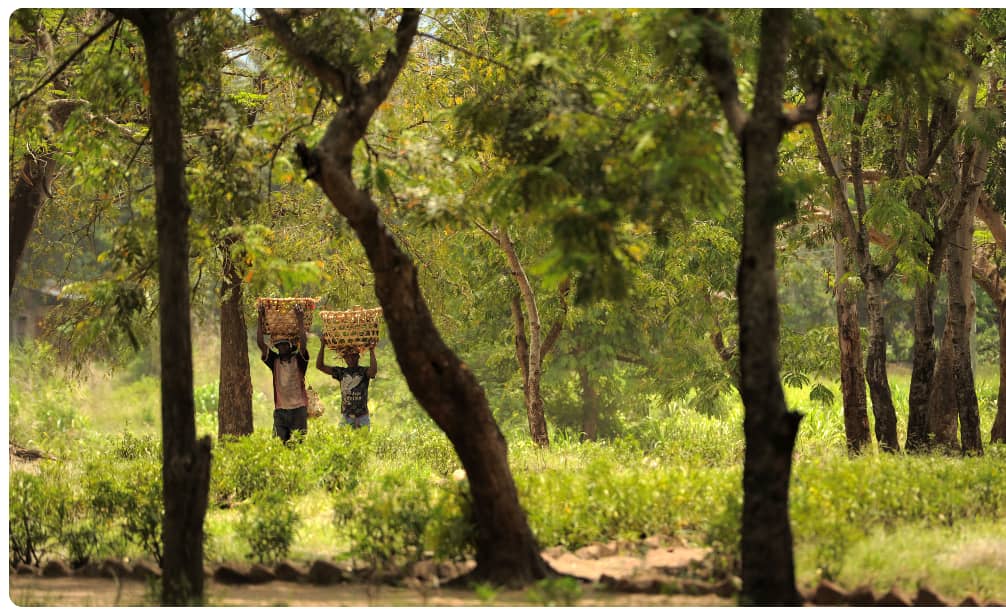
Traditional African foods are increasingly being recognized as essential to improving food security, nutrition, climate resilience and economic development following renewed calls by the Food and Agriculture Organization of the United Nations (FAO) for greater investment in indigenous food systems.
According to the FAO, thousands of traditional food species across Africa remain underutilized despite offering significant nutritional, environmental and economic benefits. The organization says indigenous crops including millet, sorghum, fonio, yam, cassava, bambara groundnut and numerous indigenous vegetables can help countries build more resilient food systems while preserving biodiversity and cultural heritage.
The renewed attention comes as many African governments seek practical solutions to rising food prices, climate change, population growth and increasing dependence on imported food products. Across the continent, prolonged droughts, flooding and changing weather patterns have disrupted agricultural production, making climate-resilient indigenous crops increasingly important.
Unlike many imported food staples, several African indigenous crops require less water, withstand extreme temperatures and are naturally adapted to local ecological conditions. Agricultural experts believe expanding their cultivation could reduce production risks while improving household nutrition.
The FAO notes that traditional foods are not merely agricultural commodities; they also represent centuries of indigenous knowledge, cultural identity and sustainable farming practices. Preserving these food systems, experts say, is essential to protecting Africa’s culinary heritage while creating new economic opportunities for rural communities.
Across countries such as Nigeria, Ghana, Kenya, Ethiopia, Senegal and South Africa, chefs, researchers and entrepreneurs are working to modernize indigenous cuisine by introducing traditional ingredients into restaurants, supermarkets and export markets. Products made from fonio, millet flour, baobab fruit, moringa and hibiscus are increasingly finding consumers both within Africa and internationally.
Food tourism is also emerging as an important contributor to economic growth. Visitors are showing growing interest in authentic African culinary experiences, encouraging investment in traditional restaurants, cultural festivals and food processing enterprises that celebrate local identity.
Nutrition specialists argue that indigenous foods can play an important role in addressing malnutrition and diet-related diseases. Many traditional grains and vegetables contain higher levels of fiber, vitamins and minerals than heavily processed alternatives while offering healthier dietary options for growing urban populations.
Women and young entrepreneurs are expected to be among the biggest beneficiaries of the renewed interest in indigenous foods. Across Africa, women dominate food processing and local food markets, while youth-led agribusinesses are increasingly developing innovative products from traditional crops for domestic and international consumers.
Beyond economic opportunities, promoting indigenous foods aligns with broader continental objectives under the African Union’s Agenda 2063, which seeks inclusive growth, agricultural transformation and sustainable development.
Analysts say greater investment in agricultural research, improved seed systems, modern food processing technologies and market access will be necessary to unlock the full commercial potential of indigenous crops.
The FAO continues to encourage governments to integrate indigenous foods into national agricultural policies, school feeding programmers and public awareness campaigns. Doing so could strengthen local food systems while reducing dependence on imported cereals that expose countries to global market volatility.
For Africa, the renewed focus on indigenous cuisine represents more than a cultural revival. It offers an opportunity to strengthen food sovereignty, create employment, preserve biodiversity and improve public health while ensuring that future generations continue to benefit from the continent’s rich agricultural heritage.
As policymakers prepare strategies to improve food security across Africa, indigenous foods are increasingly being viewed as strategic assets capable of delivering economic, nutritional and environmental benefits simultaneously.
Revitalizing indigenous food systems has the potential to improve nutrition, strengthen climate resilience, create jobs, support women entrepreneurs and preserve Africa’s cultural heritage. The growing global demand for authentic African food products also presents export opportunities that could contribute to economic diversification.










Leave a comment