


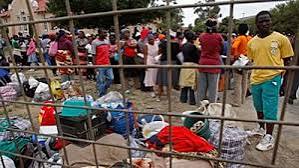
Scores of Zimbabweans have begun returning home from South Africa as rising anti-immigrant sentiment, tighter immigration enforcement and fears of violence prompt many to leave the country where they had sought work and better economic opportunities.
Buses carrying returnees arrived at border crossings between South Africa and Zimbabwe over the weekend, with many passengers saying they no longer felt safe after recent protests and calls by anti-immigration groups for undocumented foreign nationals to leave.
For years, South Africa has attracted migrants from neighbouring Zimbabwe, where prolonged economic hardship, high unemployment and currency instability have driven many to seek jobs across the border. An estimated one to three million Zimbabweans are believed to be living in South Africa, although exact figures are difficult to verify because many are undocumented.
Several returnees said they decided to leave after reports of foreigners being targeted in some communities and increased police operations aimed at identifying undocumented migrants.
“I couldn’t continue living in fear,” said one returnee at the Beitbridge border post. “Every day we worried about raids or attacks. Going home with nothing is better than risking my life.”
South African authorities have maintained that immigration laws will be enforced without discrimination, saying operations are focused on undocumented migrants regardless of nationality. However, rights groups have warned that migrants are increasingly vulnerable to harassment, intimidation and xenophobic violence during periods of heightened anti-immigrant rhetoric.
The latest departures follow weeks of demonstrations in parts of South Africa, where activists have blamed foreign nationals for rising unemployment, crime and pressure on public services. Economists and migration experts dispute those claims, arguing that South Africa’s economic challenges are driven by broader structural issues rather than immigration alone.
Zimbabwean officials said they were monitoring the situation and working with South African authorities to ensure the safe return of citizens choosing to come home. Humanitarian organisations have also stepped up assistance at border posts, providing food, temporary shelter and transport support to returning families.
For many returnees, however, going back to Zimbabwe presents fresh challenges. Jobs remain scarce, inflation continues to erode household incomes and many fear they will struggle to rebuild their lives after years spent working in South Africa.
Despite those concerns, some said the decision was unavoidable.
“We came to South Africa for a better future,” another returnee said. “Now we just want peace and safety, even if it means starting over again in Zimbabwe.”











Leave a comment