


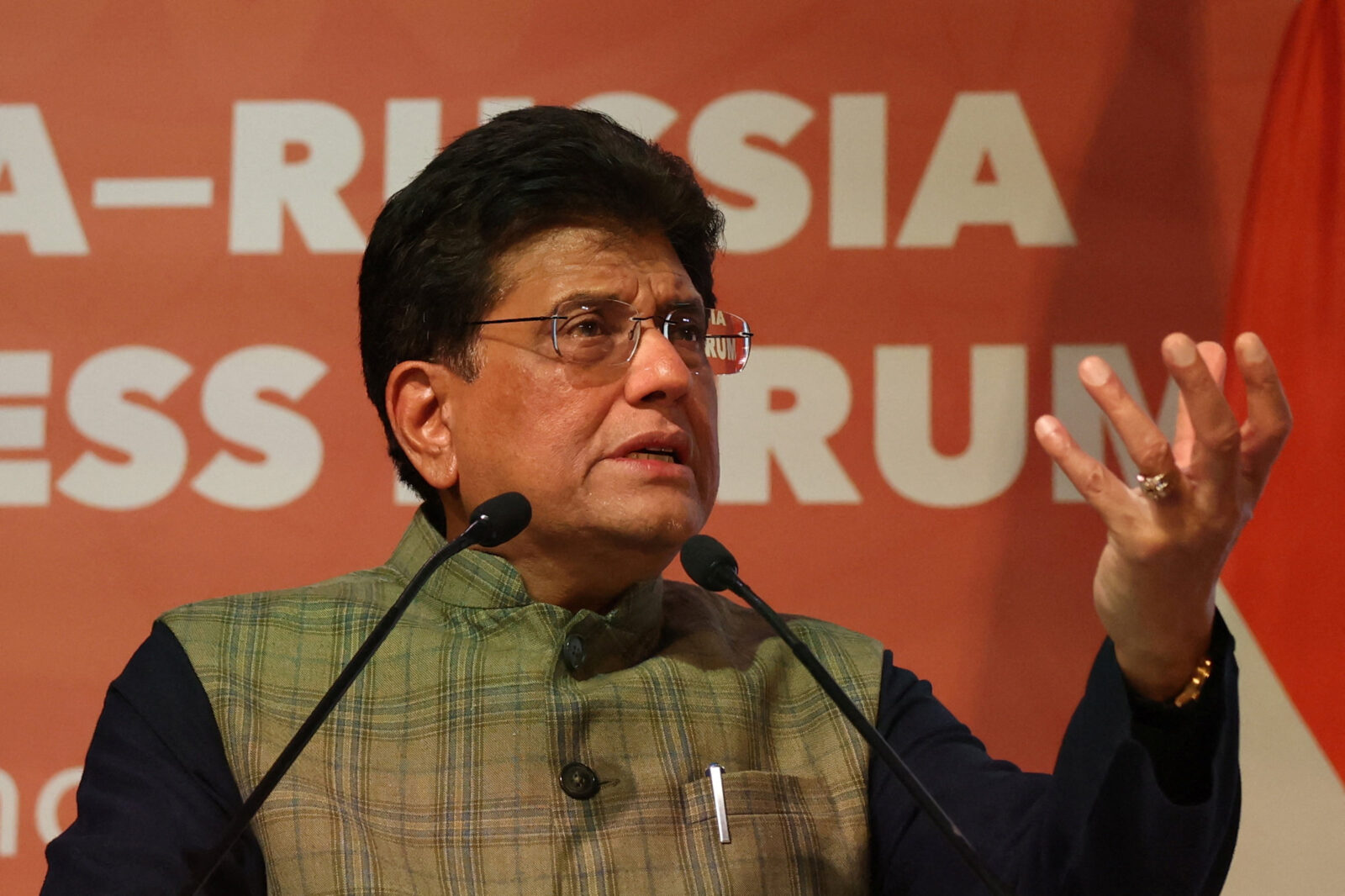
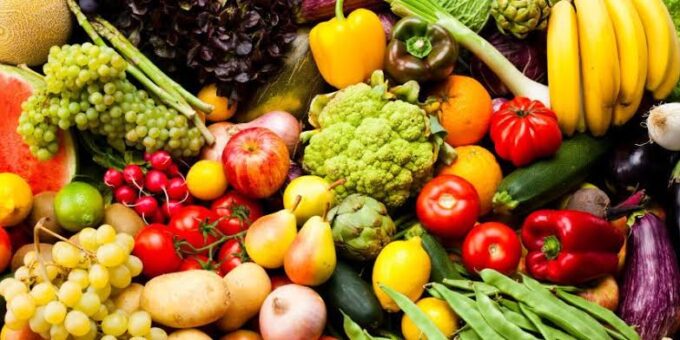
India’s trade minister has revealed that around 90% to 95% of Indian farm products were excluded from the recent trade agreement with the United States, underscoring the cautious approach taken by New Delhi in protecting its agricultural sector. The announcement highlights the sensitivity of farm goods in India’s trade negotiations, where agriculture remains both a politically charged and economically vital area.
According to the minister, the decision to keep the majority of farm products outside the scope of the deal was deliberate. India has long resisted opening its agricultural markets to large‑scale imports, fearing that cheaper foreign goods could undercut domestic farmers. With millions of livelihoods tied to farming, the government has consistently prioritized safeguarding rural incomes over broader liberalization.
The trade agreement itself focuses more on industrial goods, technology, and services, areas where India sees opportunities for growth and collaboration with the U.S. By limiting agricultural exposure, India aims to strike a balance—expanding trade ties without jeopardizing food security or farmer welfare. The minister emphasized that while some farm products may eventually be included in future negotiations, the current framework ensures that India retains control over sensitive commodities like rice, wheat, dairy, and sugar.
This stance reflects a broader pattern in India’s trade policy. In past negotiations, whether with the European Union or regional blocs, agriculture has often been the sticking point. India’s leaders argue that the country’s farming sector is not yet prepared to compete with heavily subsidized producers abroad. By keeping 90% to 95% of farm products out of the U.S. deal, the government is signaling that it will continue to shield farmers from external shocks while pursuing growth in other sectors.
The announcement also comes at a time when global trade dynamics are shifting. With supply chains being restructured and geopolitical tensions influencing trade flows, India is positioning itself as a partner in technology and manufacturing rather than as a major agricultural importer. For the U.S., the deal still represents progress in strengthening ties with one of the world’s fastest‑growing economies, even if farm exports remain limited.
The exclusion of most farm products from the deal reflects India’s cautious but strategic approach: protect domestic farmers, focus on industrial and service‑sector gains, and leave room for gradual adjustments in the future. The minister’s comments make clear that while India values deeper trade relations, agriculture will remain a red line in negotiations for the foreseeable future.










Leave a comment