


Uganda’s economy is now projected to grow between 6.5% and 7% in the financial year beginning in July, a sharp downward revision from an earlier forecast of 10.4%, the finance ministry said in a late Thursday update. The revised outlook signals a more cautious assessment of the country’s near-term economic prospects amid lingering domestic and external pressures.
The finance ministry announced the new growth range in a post on the social media platform X, but did not provide detailed reasons for the downgrade. The lack of explanation has prompted questions among analysts and investors, particularly given the significant gap between the previous and current projections.
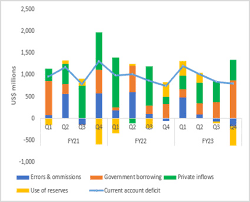
Uganda’s economy has in recent years been supported by a recovery in agriculture, steady expansion in services, and large public investments in infrastructure and the oil and gas sector. However, growth has also been constrained by high borrowing costs, fiscal consolidation measures, and global economic uncertainty that has affected trade, capital flows, and commodity prices.
Economists note that tighter financial conditions, both globally and domestically, may be weighing on private sector activity, while delays in major projects and subdued consumer demand could also be contributing factors. Inflation pressures, although easing compared with previous years, continue to influence monetary policy and household spending power.
The revised forecast comes as the government prepares its budget and policy priorities for the new financial year, with a focus on sustaining growth while managing debt levels and protecting vulnerable groups. Market participants will be watching closely for further clarification from the authorities, as well as upcoming economic data, to better understand the drivers behind the lowered expectations and the outlook for Uganda’s economy over the medium term.












Leave a comment