



Ugandans went to the polls on Thursday in a highly charged national election widely viewed as a critical test of President Yoweri Museveni’s political dominance after nearly four decades in power. The vote followed an often violent campaign period marked by arrests of opposition figures, disruption of rallies, and a nationwide internet shutdown that heightened domestic and international concern.
Museveni, 81, is seeking to extend his rule into a fifth decade, having first taken power in 1986 after a guerrilla war that promised democracy and stability. For many Ugandans, especially the youth who make up the majority of the population, this election represents a defining moment in the country’s political future. Most voters have never known another leader.
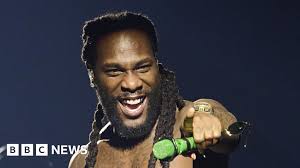
The president’s main challenger is pop star turned opposition politician Bobi Wine, 43, who has positioned himself as the voice of a younger generation frustrated by unemployment, corruption, and political repression. Wine has accused the state of using security forces to intimidate voters and suppress opposition support, allegations the government strongly denies.
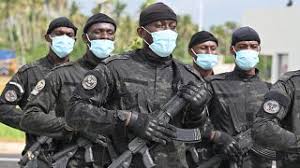
Election day unfolded under heavy security, with soldiers and police deployed across major towns and cities. Authorities said the measures were necessary to maintain peace and prevent unrest, but critics argued the presence risked intimidating voters. The government also ordered an internet shutdown and restrictions on mobile services, saying the move was intended to curb misinformation and electoral manipulation. Rights groups warned that the blackout undermined transparency and limited independent reporting.
The campaign period was marred by repeated clashes between security forces and opposition supporters. Several activists were detained, rallies were broken up, and Bobi Wine himself reported being assaulted and harassed by police during the campaign. These incidents intensified scrutiny of Uganda’s democratic credentials and raised fears of post election unrest.
Museveni’s supporters argue that his leadership has brought relative stability, economic growth, and strong regional influence. Uganda plays a key role in regional security, contributing troops to peacekeeping missions and hosting large numbers of refugees from neighboring conflicts. The government says continuity is essential to maintaining these gains.
Opposition figures and civil society groups, however, contend that prolonged rule has entrenched corruption, weakened institutions, and narrowed political space. They see the election as a referendum not only on Museveni’s leadership, but on whether meaningful political change is still possible through the ballot.
The Electoral Commission has said results will be announced within the timeframe set by law, urging calm and patience. As votes are counted, Uganda remains on edge, with the outcome expected to shape the country’s political trajectory and stability for years to come.




Leave a comment