


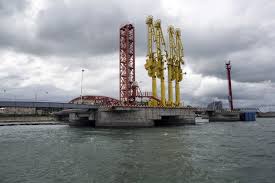
Oil prices softened on Wednesday after a multi‑day rally as Venezuela resumed crude exports and U.S. oil inventories rose, even as geopolitical risks tied to Iran continued to weigh on markets. Brent crude and U.S. West Texas Intermediate (WTI) both pulled back slightly after four consecutive sessions of gains.
The resumption of Venezuelan exports — marked by two supertankers departing with large crude loads — helped ease upward pressure on prices by adding supply back into global markets following a period of constrained flows under sanctions. Analysts note that even a partial return of Venezuelan crude can help balance near‑term supply and demand, taking some heat off the rally.
At the same time, mounting civil unrest in Iran continued to inject uncertainty into the oil market. Iran is a key oil producer, and protests have raised fears that supply flows could be disrupted if unrest spreads to energy infrastructure or export facilities. Traders are pricing in a geopolitical risk premium — essentially a “fear factor” — even though actual output has not yet been directly affected. Analysts have suggested that this risk premium could sustain price volatility and even push benchmark crude toward higher levels in the coming months if tensions escalate.
U.S. crude inventories also influenced sentiment, with industry data showing larger stockpiles of crude and fuel products than expected, suggesting a looser supply‑demand balance. This helped temper price gains further despite the persistent geopolitical backdrop.
Overall, the oil market finds itself balancing fresh supply entering from Venezuela against lingering concerns about potential disruptions in Iran and broader geopolitical risk. This tug‑of‑war between fundamentals and uncertainty is keeping oil prices under mixed pressure, with traders closely watching developments on both fronts.











Leave a comment