


Tanzania is facing rising concerns about digital repression after Meta restricted the Instagram account of prominent activist Maria Sarungi Tsehai following a government directive. The move comes just days before planned Independence Day protests on December 9 and has intensified fears that online platforms are being used to silence political dissent.
Sarungi, a well known critic of President Samia Suluhu Hassan, discovered that her Instagram content had been made inaccessible within Tanzania. Meta confirmed the restriction, stating that it was complying with a formal request from the authorities. Although the company said it acted under legal obligations, critics argue that it sets a dangerous precedent in a country already accused of shrinking civic space.
At the same time, the Instagram and Facebook accounts of US based activist and influencer Mange Kimambi, which had a combined following of more than 2.7 million people, were removed altogether. Meta said the deletions were due to violations of its recidivism policies. Kimambi insists the shutdowns were politically motivated, particularly after she helped mobilise Tanzanians following October’s disputed elections.
The timing of these restrictions has drawn international attention. Sarungi has called for a congressional hearing in the United States, accusing Meta of assisting efforts to suppress dissent after election related violence left hundreds dead. A US senator has also criticised the situation, warning that global tech companies must not become tools for repression while the US re evaluates certain aid commitments to Tanzania.
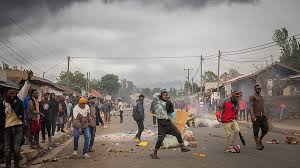
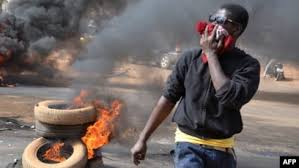
These concerns come against the backdrop of an escalating post election clampdown. On December 3, Tanzania banned all nationwide protests and later cancelled official Independence Day events scheduled for December 9, announcing that funds would instead be used to repair property damaged during earlier unrest. This follows October’s widespread internet shutdowns, the blocking of more than 80,000 websites, and reports of excessive force against civilians and journalists. The United Nations condemned the actions, calling them a serious violation of democratic and human rights standards.
For activists like Kimambi, the coordinated restrictions on social media accounts appear to be part of a broader strategy to prevent large scale mobilisation. Similar tactics have been observed in countries like Ethiopia and Uganda, where governments have relied on both state pressure and platform regulations to suppress critical voices.
With more than 6.7 million social media users, equivalent to nearly ten percent of Tanzania’s population, digital platforms play a vital role in communication, organising and activism. Rights groups warn that the recent developments could create a long term chilling effect, discouraging young people from speaking out and limiting the country’s digital civic space.
As the international community watches closely, the silence of Meta’s Oversight Board has further fuelled debate about the responsibilities of global tech companies in politically volatile environments. For many Tanzanians, the fear is that a new era of digital censorship is taking shape, where both government pressure and corporate decisions combine to limit freedom of expression at a critical moment in the nation’s political journey.






Leave a comment