


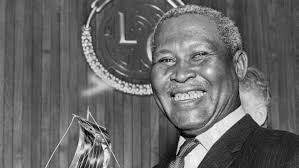
A South African court has ruled that Nobel Peace Prize laureate Albert Luthuli was killed by apartheid police in 1967, overturning the decades-old official version that his death was a tragic railway accident.
Judge Nompumelelo Radebe delivered the landmark ruling at the Pietermaritzburg High Court, finding that the anti-apartheid icon died from a fractured skull and cerebral haemorrhage caused by an assault, not from being struck by a train as claimed in the original apartheid-era inquest.
Luthuli, who was the first African to win the Nobel Peace Prize in 1960, led the then-banned African National Congress (ANC) and was one of the most respected figures in South Africa’s struggle against white-minority rule. His mysterious death in 1967 had long been viewed with suspicion by his family and human rights activists, who believed it was politically motivated.
Judge Radebe ruled that members of the apartheid regime’s security branch, acting together with South African Railways employees, were responsible for his death. Seven men were identified as being involved, though their current whereabouts remain unknown.
Luthuli’s family has welcomed the judgment, calling it “the first part of finally getting justice.” The ANC also praised the ruling, saying it “corrected a long-standing distortion of history” and restored dignity to one of the country’s greatest freedom fighters.
The decision marks a major victory in South Africa’s ongoing efforts to uncover the truth about apartheid-era atrocities. It comes as the National Prosecuting Authority reopens several historic cases, including new inquests into the deaths of Steve Biko and other anti-apartheid leaders.
Luthuli’s death, once dismissed as an accident, has now been officially recognised as an act of violence by the apartheid state, bringing long-overdue justice to his legacy and to a nation still confronting the ghosts of its past.











Leave a comment