


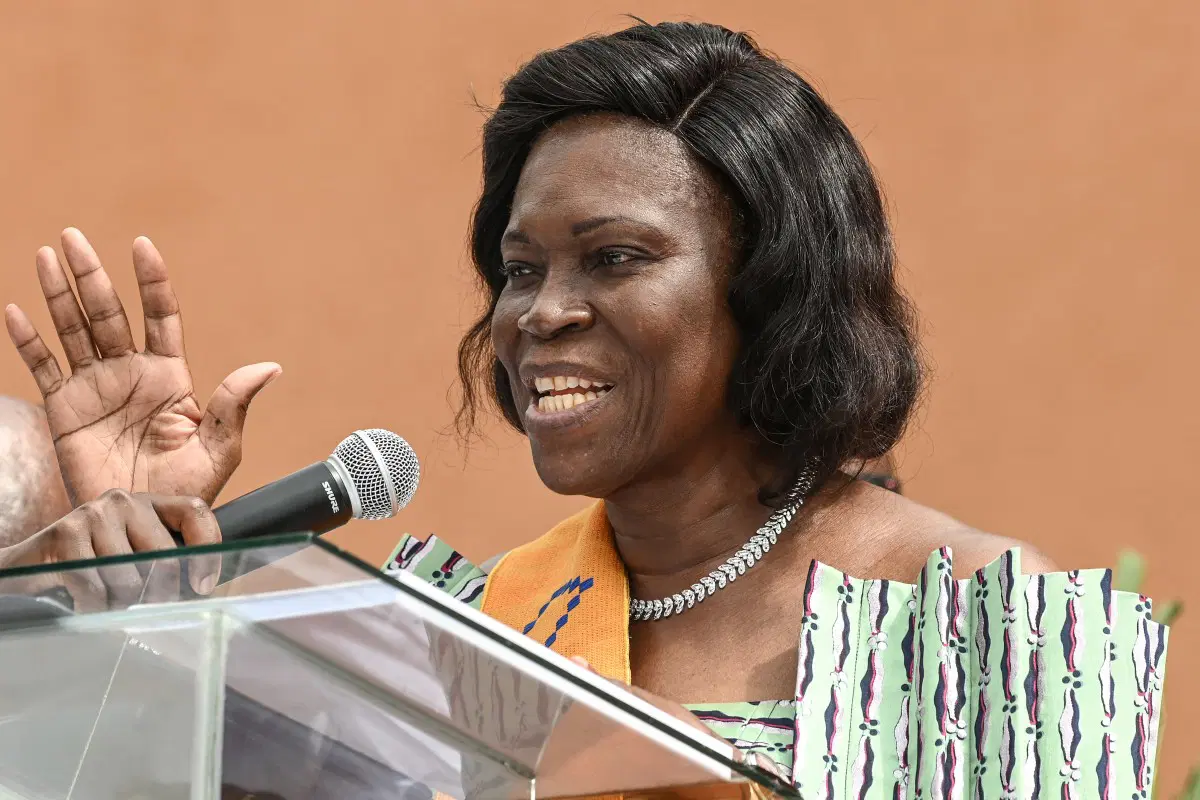
Ivory Coast is entering a decisive chapter in its political history as Simone Gbagbo, the country’s former First Lady and longtime political figure, has been officially cleared to run in next month’s presidential election. At 76 years old, her candidacy has shocked many observers and reignited conversations about democracy, gender representation, and political legitimacy in the West African nation.
Gbagbo, once nicknamed “The Iron Lady,” will face incumbent President Alassane Ouattara, 83, who has been in power since 2011. Her bid comes against a backdrop of controversy, as several high-profile figures including her ex-husband, former President Laurent Gbagbo, ex-Prime Minister Pascal Affi N’Guessan, and former Credit Suisse CEO Tidjane Thiam have been barred from contesting the October 25 election. Their disqualification has already fueled concerns about fairness, transparency, and the potential for unrest in a country with a turbulent political past.
For Simone Gbagbo, this moment represents both a political and symbolic breakthrough. Women remain significantly underrepresented in Ivorian politics, with only about 30% of parliamentarians being female and very few ever holding senior government positions. Her candidacy has been described as historic, positioning her as the most powerful female contender for the presidency in Ivory Coast’s history. Alongside Henriette Lagou Adjoua, another approved female candidate, Gbagbo’s presence on the ballot challenges the long-standing dominance of male leadership in the country.
However, her political journey has not been without c












Leave a comment