


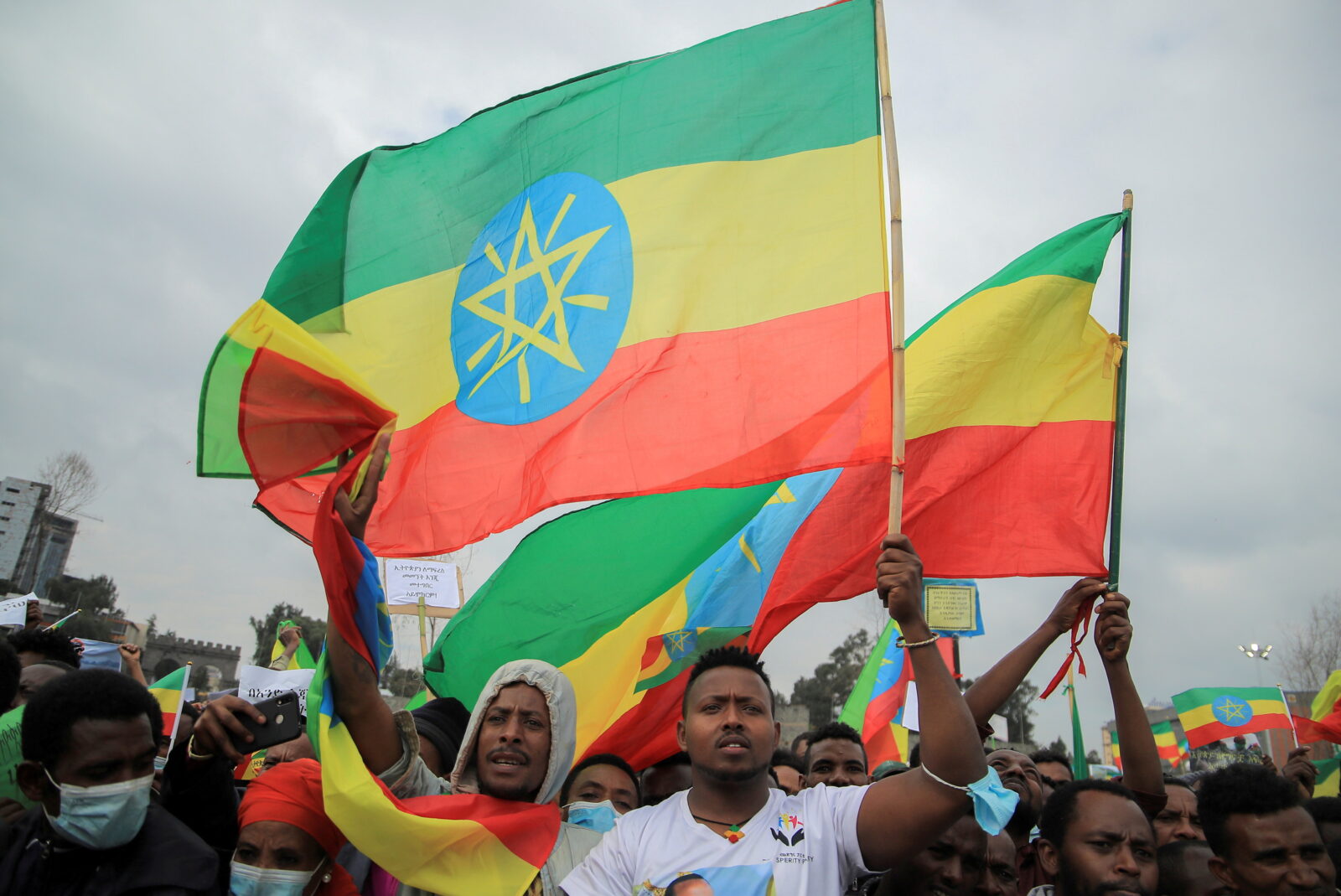
The long-awaited dream of Ethiopia harnessing the Blue Nile for electricity has finally been realized with the formal launch of the Grand Ethiopian Renaissance Dam (GERD), Africa’s largest hydroelectric project. Prime Minister Abiy Ahmed officially inaugurated the mega-dam this week, marking a turning point not only for Ethiopia’s energy sector but also for its national identity, regional influence, and the daily lives of millions still living in darkness.
The GERD, which stands 145 meters tall and stretches 1.78 kilometers across a valley in western Ethiopia, is built with more than 11 million cubic meters of concrete. Its massive reservoir, named Lake Nigat, meaning “dawn” in Amharic, represents a new beginning for the nation. At full capacity, the dam is expected to generate 5,100 megawatts of electricity, more than doubling Ethiopia’s current production and providing the foundation for electrifying homes, schools, and businesses across the country and beyond.
For Ethiopian engineer Moges Yeshiwas, who joined the project in 2012 at just 27 years old, GERD was more than an engineering feat it became a personal journey. He recalls arriving at the remote site where hundreds labored under grueling conditions, from scorching 45-degree heat to exhausting 12-hour shifts that kept construction moving around the clock.
Now 40, Moges looks back with pride at the sacrifices he made, including long separations from his family in Bahir Dar. “Watching the dam’s progress day by day was deeply satisfying. I know my son, who was born while I was working here, will one day live in a brighter future because of this.”
But the GERD story is not just about engineers and workers it is about the millions of Ethiopians who invested their hopes, savings, and solidarity into making it a reality. From nurses in Tigray like Kiros Asfaw, who bought government bonds more than 100 times despite living through civil war, to rural villagers who donated what little they could, Ethiopians from every walk of life have literally funded the project. Addis Ababa insists the dam was built entirely with domestic contributions, despite former US President Donald Trump’s claims of American financial involvement.
While GERD is celebrated as a triumph of national unity, it has also been a source of international tension. Egypt, which depends heavily on the Nile’s waters, has voiced strong opposition, warning that the dam could threaten its water security. Diplomatic friction with Cairo and Sudan has raised fears of potential conflict, even as Ethiopia frames the project as an instrument of peace, development, and regional cooperation.
Inside Ethiopia, however, the hopes are deeply personal. Nearly half of the country’s 135 million people still lack access to electricity, according to Water and Energy Minister Habtamu Ifeta. He emphasizes that the government’s goal is to provide power to at least 90% of households by 2030. This ambition resonates strongly with people like 35-year-old farmer Getenesh Gabiso, who lives just 10 kilometers outside Hawassa but has never had access to electricity. Her family still relies on firewood for cooking and kerosene lamps for light. “I want to see light in my house. All the other electric goods don’t matter now. Just light in the evening is all I want,” she says.
For her husband Germesa, the issue is also about health and safety. Years of exposure to smoke from burning wood and kerosene fumes have damaged his wife’s eyesight and put their children at risk. Electricity, for them, would mean more than convenience it would mean dignity, security, and hope.
The challenges ahead remain daunting. Tens of thousands of kilometers of transmission cables still need to be installed to connect rural areas like Getenesh’s village to the national grid. Yet the symbolic power of GERD cannot be overstated. For Ethiopians who endured decades of political strife, poverty, and marginalization, the dam stands as a unifying force and a declaration of independence over their resources.
As Ethiopia looks to the future, GERD represents both an engineering marvel and a national statement: that through resilience, unity, and sacrifice, a nation can transform its destiny. For Engineer Moges and millions like him, it is more than a dam it is proof that Ethiopia is ready to light up its future.








Leave a comment